
Tulum's food scene is famous for two things: incredible aesthetics and staggering prices.
The wood-fired jungle kitchens, organic vegan cafes, and beachfront tables look spectacular on camera, but travelers who arrive expecting standard Mexican pricing often experience severe sticker shock by their second meal. It is a common rite of passage for first-timers to sit down for a sunset drink and realize their cocktail costs more than it does back home in New York or London.
Geographically and financially, Tulum has split into two completely different cities. The Beach Zone operates on a premium, internationally scaled pricing model where you pay heavily for the atmosphere. Meanwhile, just a short drive inland in Tulum Town, you can still find authentic, world-class local cuisine at a fraction of that cost.
Because of this, most smart travelers end up saving their budget by combining the two—eating breakfast in Town and heading to the beach later in the day.
This guide is not a definitive ranking of specific restaurants — those open, close, and change chefs too quickly. Instead, it is an operating manual for eating in Tulum: understanding the geography, knowing what things actually cost, and figuring out how to enjoy the bohemian dining scene without feeling like you walked into a financial trap.
Quick Answer: Where to Focus Your Meals
If you want the short version: treat the Beach Zone as an expensive experience rather than just a meal, lean on Tulum Town for authentic food and actual value, and use Aldea Zama for comfortable, mid-range breakfasts and coffees.
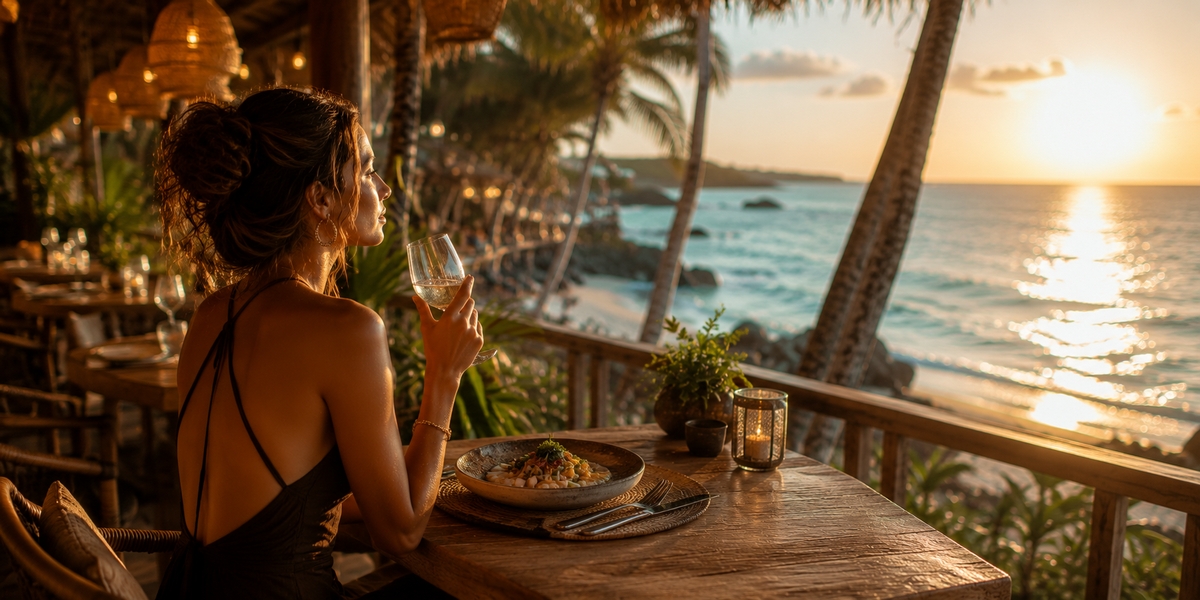
Open-air jungle settings, DJs, and high-end fusion menus. You are paying for the atmosphere and the location.
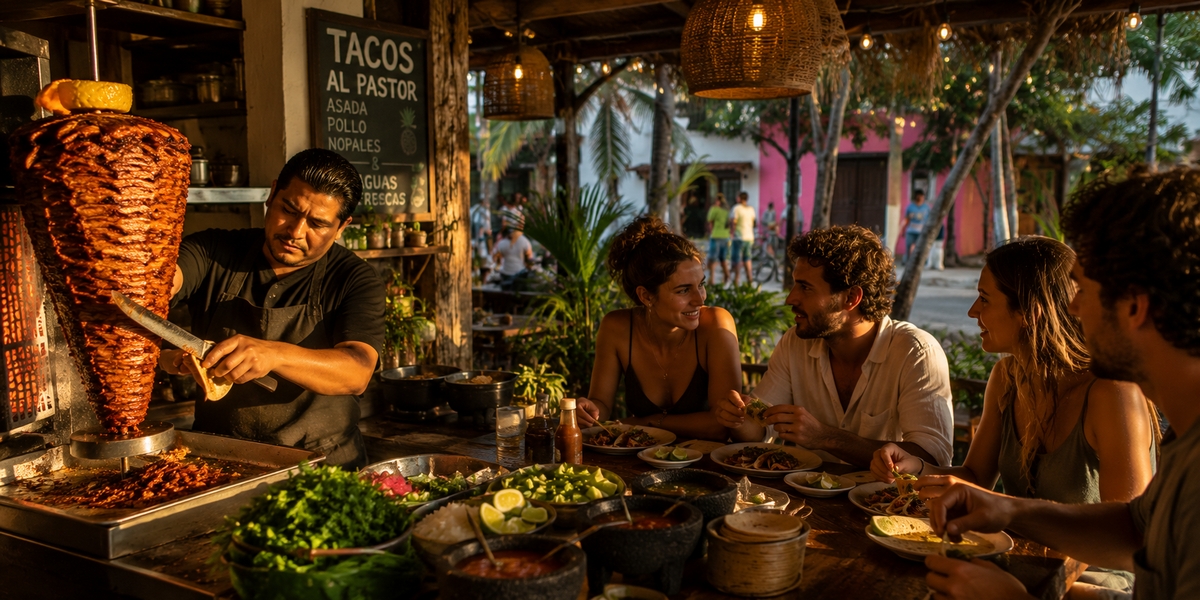
Incredible tacos al pastor, local seafood, and casual cafes where your budget stretches three times as far.
The modern, master-planned middle ground. Plenty of good coffee shops, vegan spots, and quiet patios.
Typical meal prices at a glance
| Item | Typical price (USD) |
|---|---|
| Taco (street stall) | $1–$2 |
| Coffee / Espresso | $3–$6 |
| Cocktail (Beach Zone) | $15–$22 |
| Breakfast (Cafe) | $8–$15 |
| Lunch (Town) | $10–$20 |
| Dinner (Beach Zone) | $80–$150+ |
Town vs Beach Zone: The Dining Reality
The layout of Tulum dictates how you eat. The single coastal road (the Beach Zone) is separated from Tulum Town (Pueblo) by a few miles of highway. Because Tulum's budget scales drastically depending on which side of that highway you sit, where you eat is a daily logistical decision.
| Criteria | Tulum Town (Pueblo) | Beach Zone | Aldea Zama |
|---|---|---|---|
| Price level | Low to Mid | Very High | Mid to High |
| Food style | Authentic Mexican, street tacos, casual cafes. | Wood-fired grills, sushi, high-end fusion. | Vegan cafes, brunch spots, modern international. |
| Atmosphere | Bustling, local, noisy, laid-back. | Curated, bohemian, dressy, DJ-driven. | Quiet, manicured, residential. |
| Payment | Heavy on cash (pesos preferred). | Cards widely accepted, though cash is handy for tips. | Cards generally accepted. |
If you are trying to understand the geography better, the where to stay in Tulum guide breaks down how these three neighborhoods differ functionally. For dining, Town is where the culinary soul of the region actually lives, far away from the velvet ropes.
While menus change, to give you a sense of the landscape:
- If you want some of the best street-style food, spots like Taquería Honorio or Antojitos La Chiapaneca in Town are massively popular.
- For breakfast and brunch, many choose comfortable cafes in Town or Aldea Zama, such as DelCielo or Botanica Garden Cafe.
- For a beautiful, high-end jungle dinner, people often look toward the Beach Zone staples like Hartwood, Arca, or RosaNegra.
Best Places to Eat by Category
To help narrow down the overwhelming number of choices, here are consistent standouts in key categories (though chefs and menus rotate frequently, these remain reliable benchmarks). These are widely recommended and consistently well-reviewed places rather than a definitive ranking.
- Best tacos: Taquería Honorio or Antojitos La Chiapaneca (both in Town).
- Best breakfast: DelCielo or Botanica Garden Cafe (Town/Aldea Zama borders).
- Best seafood: El Camello Jr. for massive, fresh, and affordable local catches.
- Best romantic dinner: Hartwood or Arca (Beach Zone jungle side).
- Best vegan: Raw Love (Beach Zone) or La Hoja Verde (Town).
- Best coffee: Ki'bok Coffee Shop (Town) or Rossina (Aldea Zama).
- Best cheap eats: Any busy cart along Avenida Tulum, especially near the ADO bus terminal.
The Beach Club Economy
You cannot talk about eating in Tulum without talking about the beach clubs. Because there is very little public beach access in the main hotel zone, travelers often spend their days at beach clubs, which operate as combined restaurant, bar, and lounging spaces.
The financial model here is specific: most operate on a "minimum consumption" (minimum spend) rule rather than an entry fee. You might pay $50 to $100 USD at the door, which is credited toward your food and drinks. The catch is that the menus are aggressively priced. A single cocktail and a plate of ceviche will effortlessly consume that minimum.
What you are actually paying for
You are paying for the sunbed, the umbrella, the bathroom access, and the aesthetic. The food is secondary. Treat a beach club lunch as a rental fee for the beach space rather than a culinary outing, and the prices become easier to digest.
How to manage the cost
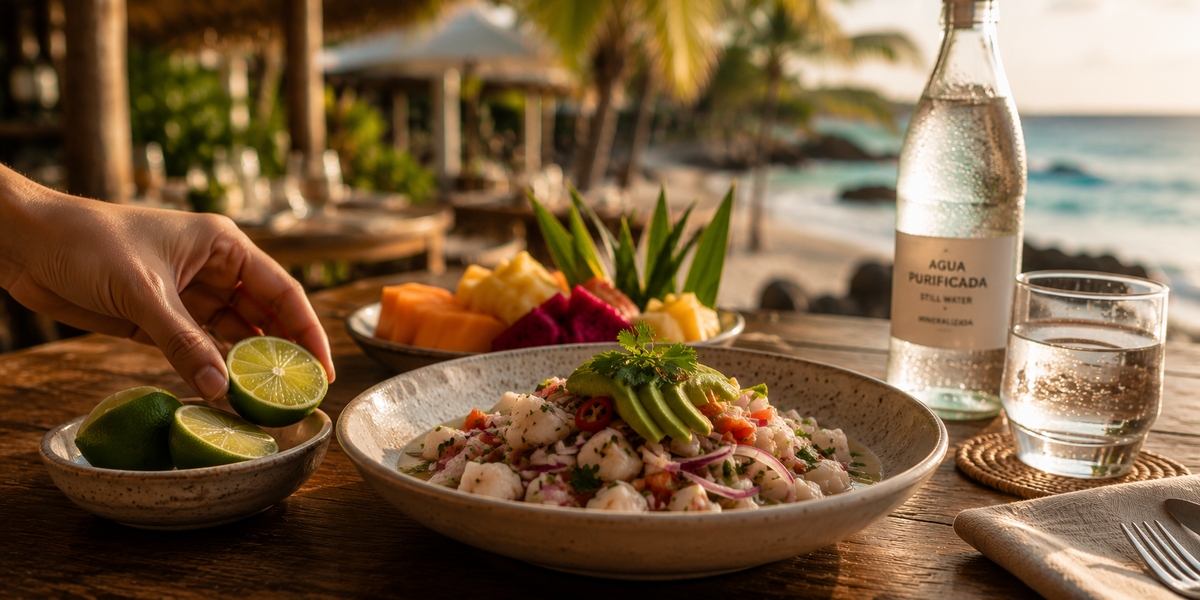
Eat a heavy breakfast at your hotel or in Town before arriving. Use your minimum spend purely on drinks and light snacks, rather than trying to construct a full three-course lunch out of a highly inflated menu. You will often see couples splitting a single large ceviche just to stretch that minimum spend without over-ordering.
For a detailed breakdown of which clubs charge what, and which ones are worth the premium, check the guide to the best beach clubs in Tulum and Playa del Carmen.
Real Budgets (June 2026): What Things Cost
It is impossible to give a single number for eating in Tulum because the variance is so wild. Here is a realistic look at what standard meals cost depending on the zone you choose.
If you are renting an Airbnb or vacation rental, the grocery stores in Town (like Chedraui) are excellent. Buying your own snacks, drinks, and breakfast materials is the single easiest way to deflate a ballooning Tulum food budget.
Prices during Christmas, New Year and Spring Break can be noticeably higher than during the low season. If you travel in these peak windows, expect Beach Zone minimums and restaurant prices to surge.
Typical One-Day Food Budget:
- Backpacker: $20–$35 (street tacos, local bakeries, grocery snacks)
- Mid-range traveler: $60–$100 (cafe breakfast, casual town dinner, one beach club drink)
- Luxury traveler: $200+ (beach club lunch, high-end jungle dinner, cocktails)
For more logistics on how to actually pay these prices, read the Mexico Money Guide (Cash & ATMs) and the guide to Paying by Card in Mexico.
Food Safety in Tulum
Traveler's stomach is a common fear, but in established tourist areas like Tulum, the rules are straightforward. The full details are covered in the Mexico food and water safety guide, but the core points apply to every meal here.
Water and Ice
Never drink the tap water anywhere in Tulum. Restaurants universally serve bottled or purified water. The ice in drinks at mid-range and high-end restaurants, and at established beach clubs, is perfectly safe — it is delivered daily from purified ice factories. You do not need to avoid cold drinks.
Street Food
Tacos from street carts are one of the joys of Tulum Town. The safety rule is simple: follow the crowds. A busy stall with high turnover means the meat is fresh and hasn't been sitting in the sun. Items cooked over a fire (like tacos al pastor) are generally very safe.
Raw Produce
In high-end Beach Zone restaurants, salads and raw vegetables are washed in purified water and are safe to eat. At very cheap, rural roadside stops outside of town, it is wiser to stick to cooked foods and fruits you peel yourself.
Dining Mistakes to Avoid
The biggest dining complaints in Tulum usually involve unexpected charges, not bad food. Keep an eye out for these patterns.
Double tipping. Many Beach Zone restaurants discreetly add a 15% or 20% "propina" (tip) or "servicio" to the final bill. Mexico's consumer protection agency (Profeco) states this mandatory tipping is illegal, but fighting it at midnight is difficult. Always check your receipt before leaving extra cash.
Paying in USD. Restaurants that accept US dollars offer terrible exchange rates. Pay by card (declining their currency conversion if the machine asks) or use Mexican Pesos pulled from a bank ATM.
Ignoring the taxi tax. A beautiful $80 dinner in the Beach Zone will suddenly cost $130 if you have to pay a $50 round-trip taxi fare from Town just to get there. Factor transport into your meal choice.
Booking late for popular spots. The most famous jungle restaurants and high-profile beach clubs book out weeks in advance during the high season (December to April). You cannot reliably walk in at 8pm on a Friday.
Before You Book Your Tables
Keep these ground rules in mind as you plan your evenings:
Tulum's food scene is heavily polarized between the deeply authentic and the highly curated.
Embrace the divide: eat your breakfasts and casual lunches in Tulum Town or Aldea Zama, where the food is excellent and the prices are fair, and reserve the Beach Zone for intentional, high-budget evening experiences where the atmosphere justifies the cost.
If you try to eat every meal on the beach, you will burn through your budget faster than anywhere else in Mexico.
Sources Checked
Sources checked on June 26, 2026. Restaurant prices, beach club minimums, and menus in Tulum fluctuate depending on the season, so verify current policies directly with venues close to your travel dates.
- Profeco (Procuraduría Federal del Consumidor): verified consumer rights regarding illegal mandatory tipping (propina) and hidden service charges in Quintana Roo.
- Quintana Roo Tourism Board (CPTQ): official destination zoning, taxi pricing regulations, and municipal advisories.
- Official restaurant menus and published pricing (checked June 2026): verified pricing, minimum consumption policies, and cancellation fees for major Beach Zone venues (including RosaNegra, Hartwood, and popular beach clubs) and Town taquerías.
- COFEPRIS: local food and water safety compliance standards for the Riviera Maya.
Frequently Asked Questions
Is the food in Tulum expensive?
Yes, primarily in the Beach Zone, where prices rival or exceed major U.S. cities like New York or Los Angeles. A simple dinner for two at a trendy beach club can easily pass $150 to $200 USD. However, Tulum Town offers authentic, excellent local food and tacos for a fraction of that cost, meaning your budget depends entirely on which side of the highway you choose to eat.
Where is the cheapest place to eat in Tulum?
Tulum Town (El Centro), specifically along the side streets branching off the main highway, and the street food stalls. Taquerías and local loncherías serve excellent, authentic meals where you can eat well for under $10 USD per person. The deeper you go into the local neighborhoods behind the main strip, the better the value.
Do I need reservations for dinner in Tulum?
For the high-profile jungle restaurants and famous Beach Zone spots, yes, you absolutely need reservations, often weeks in advance during the high season (December to April). For Tulum Town, Aldea Zama, and casual beach taquerias, walk-ins are perfectly fine and usually the only option.
Should I carry cash or cards for dining in Tulum?
You need both. High-end Beach Zone restaurants widely accept credit cards, but often have spotty Wi-Fi that causes card machines to fail. In Tulum Town, many smaller authentic taquerias and street stalls are strictly cash-only (pesos preferred). It is always safer to have enough pesos to cover your meal.
Do beach clubs in Tulum include food in the entry fee?
Most beach clubs operate on a minimum consumption (minimum spend) basis rather than an entry fee. You pay a set amount upfront, for example $50 or $100 USD, which is then applied as a credit toward your food and drinks. Be aware that the menu prices are highly inflated, so that credit gets spent very quickly on a couple of cocktails and a light lunch.