
For two decades, swimming with dolphins was one of the most-booked half-days in Cancun. Families with small kids, cruise passengers off the ship for the afternoon, couples ticking a box — the lagoons stayed full. Ask the question "is it worth it?" five years ago and the only real debate was which package to buy.
That ground has shifted. In 2025 Mexico passed a national law that bans dolphin shows and is steadily closing the swim-with-dolphin industry, and the question changed with it. "Is it worth it?" now carries a second layer most guides skip: is it even the experience you think you're buying, and is it one you want to be among the last to book?
This is not a lecture. People who do these programs, especially with young children, often come away genuinely moved, and that's worth taking seriously. The aim here is to give you the full picture — the legal status, the real cost, what actually happens at the lagoon, and the wild-marine alternatives the region does better than almost anywhere — and let you make the call.
Quick Answer: Swimming with Dolphins in Cancun
The short version: yes, you can still do it in many spots in 2026, but the activity is being phased out under a 2025 law; the dolphins are captive, not wild; the real cost runs well above the headline price; and for most travelers chasing an ocean memory, a wild alternative is the stronger day. The clearest case for the dolphin swim is families with young children who can't manage open water.
- Legal status: Mexico's 2025 reform bans dolphin shows, breeding and physical contact; existing programs are winding down, not all closed yet.
- Wild or captive: captive — man-made lagoons and trained behaviors, not a chance meeting at sea.
- Real cost: roughly $100–$200+ per person before photos, transport, park entry and tips stack on top.
- Best fit: families with small kids who want safe, shallow, guaranteed marine contact.
- Better for most: whale sharks, reef snorkeling, or wild sea turtles — cheaper, wild, and often more memorable.
Shallow, controlled, no open-sea crossing. It's one of the few marine experiences a five-year-old can fully join, which is exactly why families book it.
Whale sharks, reef snorkeling or Akumal turtles put you with animals in their own water, usually for less money than the swim.
If the welfare side sits wrong with you, the region gives you a dozen ways to be near the sea without it. You lose nothing.
You won't be swimming with wild pods. If that image is the point, a boat tour with a chance of wild sightings fits better than a lagoon.
If you're still shaping the wider trip, this decision sits alongside the region's other water days — the things to do in Cancun and the Riviera Maya guide shows where a marine activity fits against the ruins, cenotes and beach time competing for your mornings.
What Changed in 2025: Mincho's Law
You can't answer "is it worth it?" in 2026 without the legal backdrop, because it reframes the whole activity. In June 2025 Mexico's Congress passed a sweeping reform to the General Wildlife Law (Ley General de Vida Silvestre), signed by President Claudia Sheinbaum. Civil-society groups quickly nicknamed it "Mincho's Law," after a dolphin that died after crashing into the edge of a pool during a performance at a Riviera Maya hotel dolphinarium — the incident that pushed the bill over the line.
The reform does three big things: it bans the use of dolphins and other marine mammals for shows, entertainment and therapy; it bans breeding them in captivity; and it bans physical contact during swim-with sessions. Crucially, it does not order an overnight shutdown. Dolphins already registered in their facilities may remain there, under stricter humane conditions, until they die naturally — but no new animals can be captured or born into the system. Where technically feasible, the law requires moving dolphins out of concrete tanks into open-water sea pens, with the relocation framed around an 18-month window. In plain terms, this is a phase-out: the current generation of captive dolphins in Mexico is meant to be the last.
For scale: the reform touches roughly 30 facilities nationwide holding an estimated 350 dolphins, which places Mexico among the world's larger dolphinarium countries. It also lines Mexico up with a growing list — Canada, Costa Rica, Chile and France have all banned or sharply restricted marine-mammal entertainment. The travel industry had been moving the same direction for years: after a long campaign by World Animal Protection, Expedia Group stopped selling captive whale and dolphin experiences across its platforms. Here's the surprising-but-useful part most visitors don't realize: the dolphin lagoon you may have visited a decade ago isn't being "improved" — it's being closed, slowly, by law.
How you read all of that is genuinely up to you. Some travelers see a closing window and a last chance; others see a clear signal to choose differently. The guide stays neutral on the ethics and focuses on helping you decide — but you should book knowing which way the law, and much of the industry, has already moved.
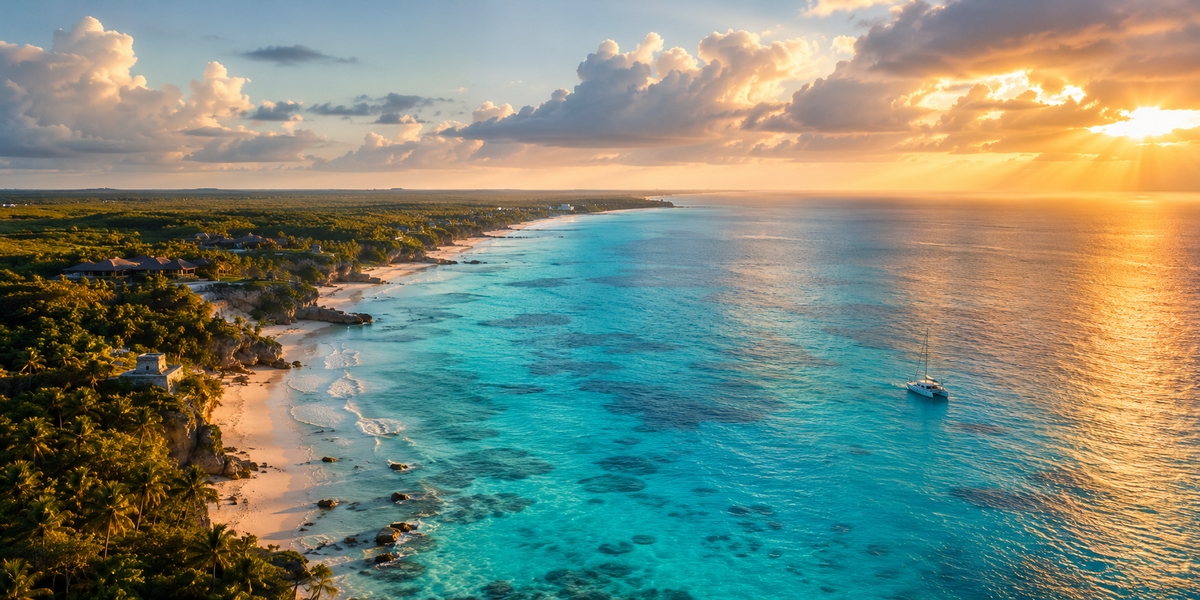
What the Programs Actually Are
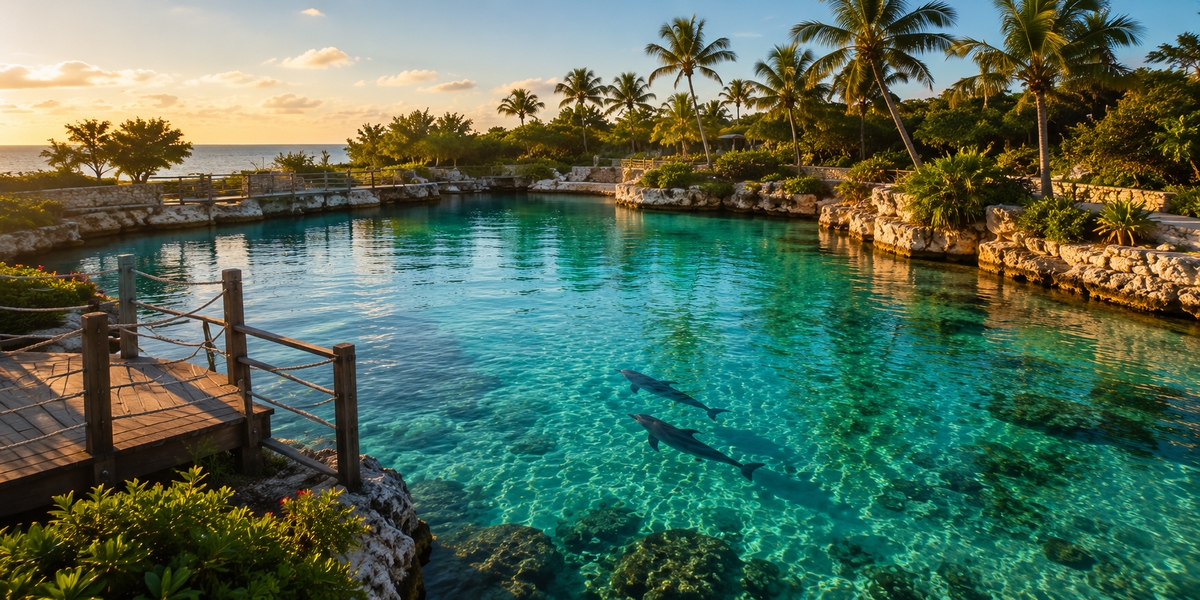
Set the law aside for a moment and picture the experience itself, because expectation-versus-reality is where most disappointment lives. Two operators dominate the region: Dolphin Discovery, with sites on Isla Mujeres, in Puerto Aventuras and at Cozumel's Chankanaab park, and Delphinus, which runs several habitats around Cancun and the Riviera Maya, including ones inside the Xcaret and Xel-Ha eco-parks. The dolphins live in man-made lagoons or fenced sea pens, not the open ocean.
Here's the lay of the land at a glance — who runs what, where, and roughly what it costs in 2026.
| Operator | Main locations | Status 2026 | Price tier |
|---|---|---|---|
| Delphinus | Cancun, Riviera Maya, inside Xcaret & Xel-Ha | Operating Winding down under the 2025 law. |
$$$ Higher; eco-park entry often on top. |
| Dolphin Discovery | Isla Mujeres, Puerto Aventuras, Cozumel (Chankanaab) | Operating Some sites suspended; confirm yours. |
$$ Lower of the two; standalone lagoons. |
Price tier: $$ = lower, $$$ = higher — both are program-only, before the photos, transport, park entry and tips covered further down. Status reflects the phase-out: every program here is legally winding down, and individual sites can be suspended at short notice, so treat "Operating" as "open for now, check close to travel."
Programs come in tiers, and the names blur on purpose. At the cheaper end is a shallow-water encounter: you stand on a submerged platform in waist-to-chest-deep water while a trainer brings a dolphin over for a touch, a "kiss," a hug, a photo. Move up and you get the swim proper — the foot-push, where two dolphins propel you by the soles of your feet, and the dorsal tow, where you hold the fins and get pulled across the lagoon. At the top sit "premium" or "trainer for a day" options that add time and behind-the-scenes access. The actual dolphin contact, across any tier, is brief and choreographed; a typical program runs 30 to 60 minutes total, and only a slice of that is hands-on with the animal.
What people love is real and worth stating plainly: the dolphins are close, the interaction is guaranteed, the photos are excellent, and kids are thrilled in a way a choppy boat trip rarely delivers. What disappoints is just as predictable. Travelers who pictured a wild pod feel the staging once they're in the water. The hands-on minutes are fewer than the marketing implies. On a busy day you share the lagoon and the trainer with a rotating group, and the pace can feel like a conveyor belt. None of that makes it a scam — it makes it a structured attraction, which is a different thing from a wildlife encounter, and worth knowing before you pay.
The Real Cost (It's Not the Sticker Price)
Dolphin programs are marketed on an attractive headline number, and that number is almost never what you pay. The base program typically lands somewhere around $100 to $200 or more per person depending on tier and location — a shallow encounter at the low end, a full swim higher — but the extras are where the real bill forms, and they're easy to miss until you're at the counter.
Here's how that math actually plays out. Say you book an advertised "$99 encounter" for two people. Add the photo package you'll almost certainly want, round-trip transport, the small protection tax, and a tip, and a couple is realistically looking at $300 or more for an afternoon — before you've bought lunch. At an eco-park, with two separate park tickets layered underneath, it climbs faster. That's not a knock on any single operator; it's the standard shape of the pricing, and it's why the swim often costs more than a wild whale-shark tour that includes the boat, gear, guide and breakfast. Going in knowing the real number, rather than the banner number, is the difference between a fair-value day and a quietly resented one.
Is It Worth It for You?
Strip away the marketing and the outrage in equal measure, and "worth it" comes down to who you are and what you actually want from the day. This is the decision the whole article builds to — find yourself honestly below.
Family with kids too young for open water
→ This is the strongest case. Shallow, controlled, guaranteed contact a small child can join. If a once-in-a-trip thrill for the kids is the goal, little else competes for that age group.
Nervous or non-swimmers who still want marine contact
→ No deep water, no boat crossing, a trainer beside you the whole time. For travelers who'd never manage a reef or a shark trip, it's the accessible option.
Confident swimmers chasing a real ocean memory
→ You'll feel the staging. The same budget buys a wild whale-shark or reef day that will stay with you far longer than a lagoon tow.
Anyone expecting wild dolphins
→ These are captive, trained animals. If the dream is a wild pod in open sea, a swim program will land as a letdown no matter how good it is on its own terms.
Travelers uneasy about captivity
→ If the welfare and ethics side gives you pause, trust that. The region offers so many wild-marine days that you sacrifice nothing by choosing one.
Budget-focused travelers
→ Once the add-ons land, the real cost is high for the hands-on minutes you get. A reef snorkel delivers more water and more wonder per dollar.
The honest steer is narrow on purpose. If you're traveling with a young child who can't swim a reef yet, the dolphin program has a real, defensible place — go in clear-eyed about cost and captivity. For almost everyone else, the wild alternatives below are the better trip, and usually the better value.
The Wild Alternatives Worth Choosing Instead
This is where the region quietly wins. Few destinations on earth pack this many genuine wild-marine encounters into a short drive or boat ride, and most of them cost less than a full dolphin swim. If your goal is to be with animals rather than to direct them, start here.
Whale sharks
Snorkel beside the biggest fish on earth off Isla Mujeres and Holbox, mid-May to mid-September. Around $150–$250 including boat, gear and guide. Best for confident swimmers and teens up — the headline wild encounter.
Reef snorkeling
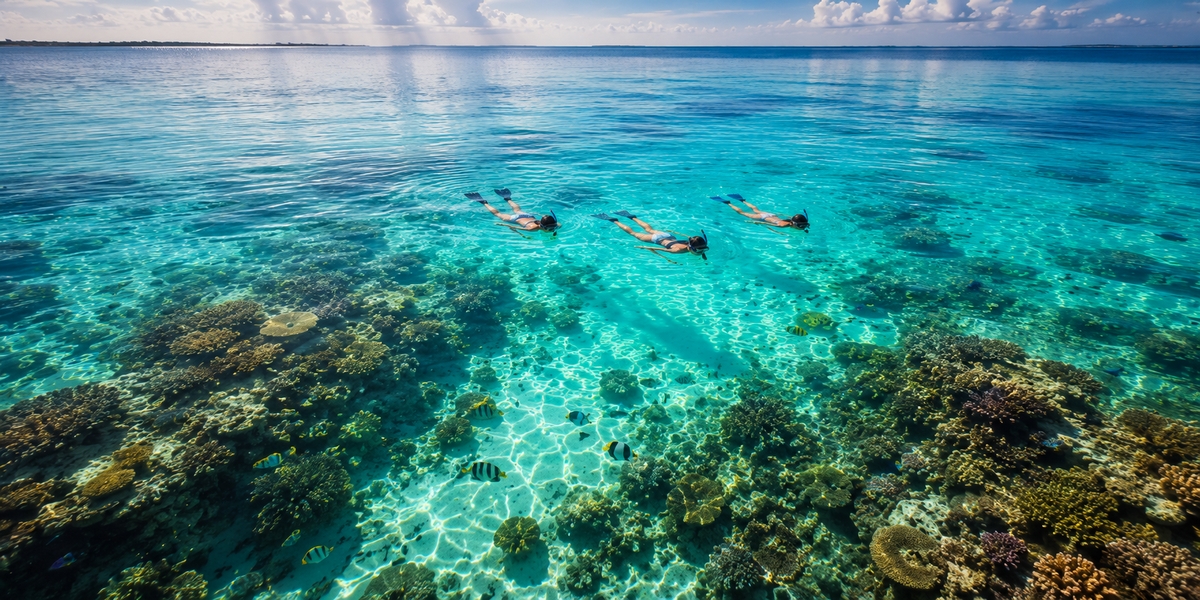
Reefs, rays and fish off Isla Mujeres, Puerto Morelos and Cozumel, any month, for roughly $40–$80. Calm spots suit older kids. The gentlest wild option, and the best value on this list.
Akumal sea turtles
Swim above wild green turtles grazing in a shallow bay, about $25–$40 guided. This is the closest match for the dolphin swim's "big animal up close" appeal — except the turtles are wild and free to leave.
Eco-park rivers & reefs
Xcaret, Xel-Ha and Xplor bundle reef snorkeling, underground rivers and cenotes into one ticketed day — the controlled ease of a lagoon, but the water is wild. Just skip the captive-dolphin add-on.
Cards flatten the contrast, so spell it out: the dolphin swim is the only captive option on this page, and the only one priced above a wild whale-shark tour. Snorkeling with whale sharks off Cancun and Holbox is the headline wild experience, but it's summer-only and asks for a steady stomach. For something gentler and year-round, the reefs off Isla Mujeres, Puerto Morelos and Cozumel deliver color and sea life with far less drama. And swimming with wild sea turtles in Akumal Bay gives you the same "see a big animal up close" feeling with an animal that chose to be there.
One wrinkle worth naming: both Xcaret and Xel-Ha still host the captive-dolphin programs now being phased out, so the same gate sells you both the lagoon and the wild stuff. You can simply skip the dolphin add-on. For most families weighing the swim, that's the quiet win — a calm reef snorkel or an eco-park river day covers the same "easy, safe, kids love it" brief while keeping the animals wild.
Mistakes Travelers Make
Most regret around this activity isn't about the dolphins at all — it's about booking on the wrong assumptions.
Expecting wild dolphins. The single biggest letdown. You're booking a lagoon with trained animals, not a chance meeting at sea. Set that expectation before you pay, not after.
Budgeting only the headline price. Photos, transport, park entry, tax and tips routinely double a "$99" listing. Add it all up first so the real number doesn't ambush you.
Assuming every program is open. Under the 2025 law, facilities are being suspended and reorganized. A tour sold online may not match what's actually running — confirm current status close to your date.
Defaulting to it because it's familiar. "Swim with dolphins" is the name everyone knows, so it gets booked on autopilot. Spend ten minutes on the wild alternatives before you commit; many travelers prefer them once they look.
Sources Checked
Sources checked on June 20, 2026. The legal framework is recent and still being implemented, and prices vary by operator, season and package, so the moving parts here — which facilities are open, exact fees, and program tiers — shift through 2026. Confirm the current status of any specific program close to travel.
How this guide was checked: The legal details — the June 2025 reform to the General Wildlife Law, the bans on shows, breeding and contact, the keep-until-natural-death and sea-pen provisions, and the rough scale of about 30 facilities and 350 dolphins — come from Mexican government and major animal-welfare reporting on the reform. Enforcement and facility-suspension details reflect Profepa actions reported in 2025–2026. The travel-industry shift (Expedia Group ending captive whale and dolphin sales) comes from World Animal Protection. Program structures, locations, price ranges and the marine-mammal protection tax are drawn from the two main operators and kept as ranges, not quotes, because they change by season and package.
Frequently Asked Questions
Can you still swim with dolphins in Cancun in 2026?
For now, in many places yes, but the activity is being phased out. In June 2025 Mexico reformed its General Wildlife Law to ban marine-mammal shows, captive breeding, and physical contact in swim-with-dolphin sessions. The dolphins already registered in facilities can stay until they die naturally, so some programs in Cancun, the Riviera Maya and Cozumel are still operating in 2026 while the rules are finalized and animals are moved toward sea pens. Enforcement is uneven and a few facilities have already been suspended, so confirm the current status before you build a day around it.
What is Mexico's Mincho's Law and what does it ban?
Mincho's Law is the nickname for the June 2025 reform to Mexico's General Wildlife Law, named after a dolphin that died after striking the edge of a pool during a show at a Riviera Maya hotel. It bans using dolphins and other marine mammals for shows, entertainment and therapy, bans breeding them in captivity, and bans physical contact during swim sessions. Animals already in captivity must be kept under humane conditions until their natural death and, where technically feasible, moved from concrete tanks to open-water sea pens. In practice it ends the industry over time rather than overnight.
How much does swimming with dolphins in Cancun cost?
Programs typically run from around 100 to 200 US dollars or more per person, depending on the tier and location. A shallow-water encounter, where you mostly stand on a submerged platform, sits at the lower end; a full swim with a dorsal tow or foot push costs more. The headline price is rarely the final one: photos and video are sold separately and are the main upsell, hotel transport is often extra, gratuities are expected in cash, and at the eco-park locations the dolphin program is added on top of a separate, pricey park ticket. A small marine-mammal protection tax now applies at some facilities too.
Are the dolphins in Cancun programs wild or captive?
They are captive. The dolphins live in man-made lagoons or sea pens and are trained to perform the behaviors you pay to experience, such as kisses, hugs and tows. This is the core expectation gap: many travelers picture meeting wild dolphins in the open sea, but a swim program is a structured interaction with animals under human care. If a genuinely wild encounter is what you are after, that is exactly what the alternatives in this guide deliver.
What can I do instead of swimming with dolphins near Cancun?
The region is unusually rich in wild-marine days. In summer you can snorkel with whale sharks off Isla Mujeres and Holbox. Year-round you can snorkel the reefs off Isla Mujeres, Puerto Morelos and Cozumel, or swim with wild sea turtles in Akumal Bay. The Xcaret and Xel-Ha eco-parks offer reef snorkeling, underground rivers and cenotes without a captive-dolphin element if you skip that add-on. For most travelers, one of these delivers a stronger ocean memory than a choreographed lagoon swim.
Is swimming with dolphins a good choice for families with young kids?
It is one of the few marine activities that genuinely suits young children, which is a large part of its appeal. The water is shallow and controlled, there is no open-sea crossing, and small kids can take part in a way they cannot on a whale shark or deep-reef trip. That practical fit is real and worth acknowledging. Whether you choose it still comes down to how you weigh that against the captivity and welfare questions, and against calmer wild options like a gentle reef snorkel that many families enjoy just as much.
Before You Decide
Five honest checks to run before you book a dolphin swim — or choose a wild day instead.
If you remember one thing: a dolphin swim in Cancun is worth it mainly for families with young children who can't manage open water — and for almost everyone else, a wild-marine day is the better, often cheaper choice.
The activity is also living on borrowed time. Mexico's 2025 law is closing the captive-dolphin industry on a slow timer, so what you'd be booking is the tail end of an era, with rising costs and shrinking availability. For families set on it, go in clear about the captivity, the real price, and the current operating status.
For the rest, the honest recommendation is simple: take the same budget to a whale-shark tour, a reef snorkel, or the wild turtles at Akumal. You'll spend less, see animals in their own water, and most likely remember it longer.