
Puerto Plata gets booked for the wrong reason more often than any other Dominican coast. Travelers see prices below Punta Cana's, assume they are buying the same vacation at a discount, and land expecting turquoise lagoons. What they get is the Atlantic: deeper-blue water with real movement, a green mountain wall behind the beach, and towns where people actually live. For the right traveler that is an upgrade. For the wrong one it is a week of staring at red flags on the lifeguard tower.
The north coast — Puerto Plata, Playa Dorada, Sosúa and Cabarete — is the Dominican Republic for travelers who want towns, mountains and surf more than a sealed resort bubble, and it works best when you fly straight into Puerto Plata's own airport (POP). This guide covers how the coast is laid out, which base fits which trip, what is worth your days, and what has changed recently.
If you are still choosing between regions, start with our comparison of the Dominican Republic's main regions. This page assumes the north is already on your shortlist and goes deeper.
Quick Answer: Is the North Coast Right for You?
Book the north coast if you want variety within a short drive — a Victorian old town, a calm snorkeling bay, a kite beach and a waterfall canyon, all within roughly 40 minutes of each other — and you are fine with an ocean that has some energy. Skip it if your picture of the Caribbean is flat, see-through water in front of a giant resort.
- Airport: fly into POP (Puerto Plata), not PUJ — the main bases are 10–30 minutes away
- Playa Dorada: budget all-inclusives inside a gated golf enclave
- Sosúa: the calmest swimming bay on the coast, plus a loud bar street
- Cabarete: kite and surf town with independent hotels and beach dining
- Skip it if: you want glass-calm turquoise water and polished mega-resorts
What the North Coast Actually Is: Atlantic, Mountains and Real Towns
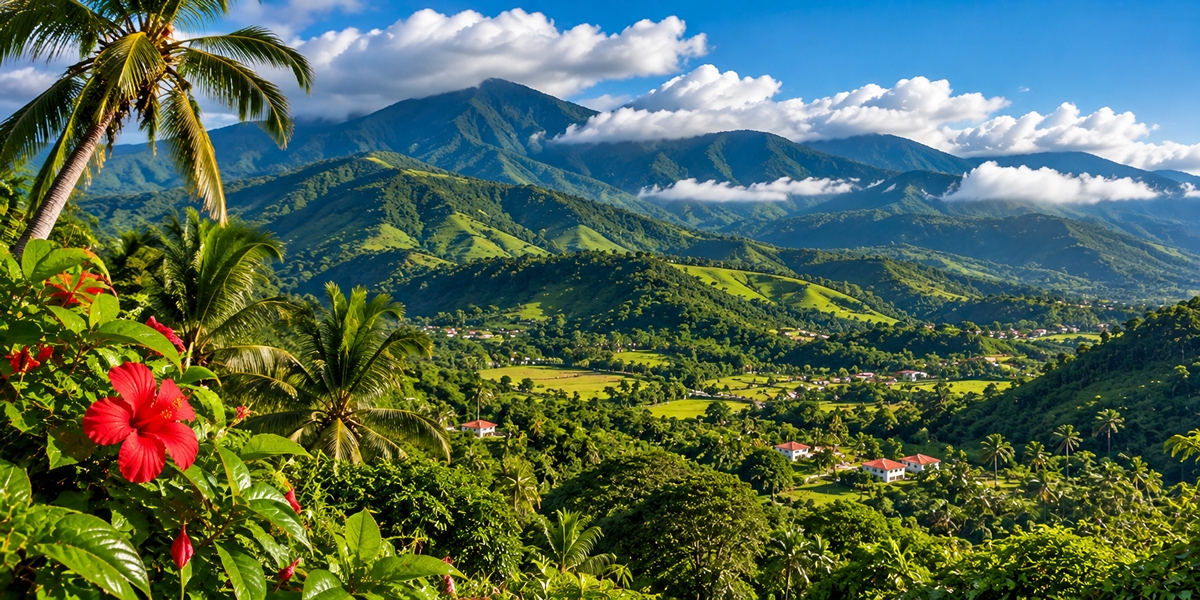
The Dominican Republic's north shore faces the open Atlantic, not the Caribbean Sea. Behind it rises the Cordillera Septentrional, a mountain range that comes right down toward the sand around Puerto Plata. That shapes almost everything about a trip here: deeper-blue water with more movement, golden rather than powder-white sand, and green hills behind the beach instead of flat palm groves.
Dominicans call this stretch the Costa de Ámbar, the Amber Coast, after the fossil resin mined inland and displayed at the Amber Museum in Puerto Plata's Victorian center.
The bigger difference is human. Punta Cana was built for tourism; Puerto Plata is a working port city, and Sosúa and Cabarete are lived-in towns with expat communities, supermarkets and weekday traffic. Compared with our Punta Cana guide for first-time visitors, the north is the opposite: easier to eat locally and move around on your own, harder to stay in a resort bubble.
Fly Into POP, Not PUJ: The Airport Decision That Makes or Breaks the Trip
Puerto Plata's Gregorio Luperón International Airport (POP) sits between the city and Sosúa, putting every main base within half an hour. Dominican Republic Tourism lists eight international airports in the country, and choosing the right one matters most here. Nonstop service to POP is thinner than Punta Cana's: JetBlue from New York, seasonal U.S. routes, and strong winter flights from Canada on Air Canada, WestJet and Air Transat. Check schedules for your dates before assuming.
| Destination | Drive time from POP | Distance & direction |
|---|---|---|
| Puerto Plata (Old Town) | 20–25 min | ~18 km (11 mi) west |
| Playa Dorada | ~20 min | ~15 km (9.3 mi) west |
| Sosúa | 10–15 min | ~9 km (5.6 mi) east |
| Cabarete | 25–30 min | ~24 km (15 mi) east |
Small terminal on the coast road. Taxis and pre-booked transfers wait outside; the city lies west, the beach towns east.
The resort enclave sits on the city's eastern edge; the old center, Malecón and fort are minutes beyond it.
The shortest transfer on the coast. You can be in the bay within an hour of landing.
Straight along the coast road past Sosúa; Encuentro's surf break sits just before town.
The quiet east end: day-trip territory unless you rent a car for seclusion.
Here is the trap in numbers. Say round-trip flights to Punta Cana are $150 cheaper per person than to POP, saving a couple $300. A private transfer from PUJ to Cabarete typically runs $250–380 each way ($500–760 round trip) and takes 5–6 hours each direction. You end up paying $200–460 more and losing most of two days on the road. Unless the fare gap is huge, POP wins.
The backup is Santiago's Cibao International (STI), roughly 1 to 1.5 hours inland, which often has competitive fares from the U.S. East Coast. If you still land in Punta Cana, our Punta Cana airport arrival guide covers eTicket and transfer steps — just budget the drive north honestly.
Where to Base Yourself: Puerto Plata, Playa Dorada, Sosúa or Cabarete?
The four bases sit within 40 minutes of each other yet create very different weeks. Pick by how you want your evenings to feel, not by beach photos.
Playa Dorada
A gated golf complex on the city's eastern edge with a long golden beach and mid-range all-inclusives. The easiest north-coast week for first-timers and budget-minded families. Many properties are older, so recent reviews matter more than star ratings. Standout: cheapest all-inclusive week on the coast.
Puerto Plata Town
Victorian houses, the Malecón seafront, the fort and museums, with small guesthouses and a real Dominican city rhythm. Town beaches are not the draw here, and evenings revolve around local dining rather than tourist bars. Standout: best for history and food, not for beach days.
Sosúa
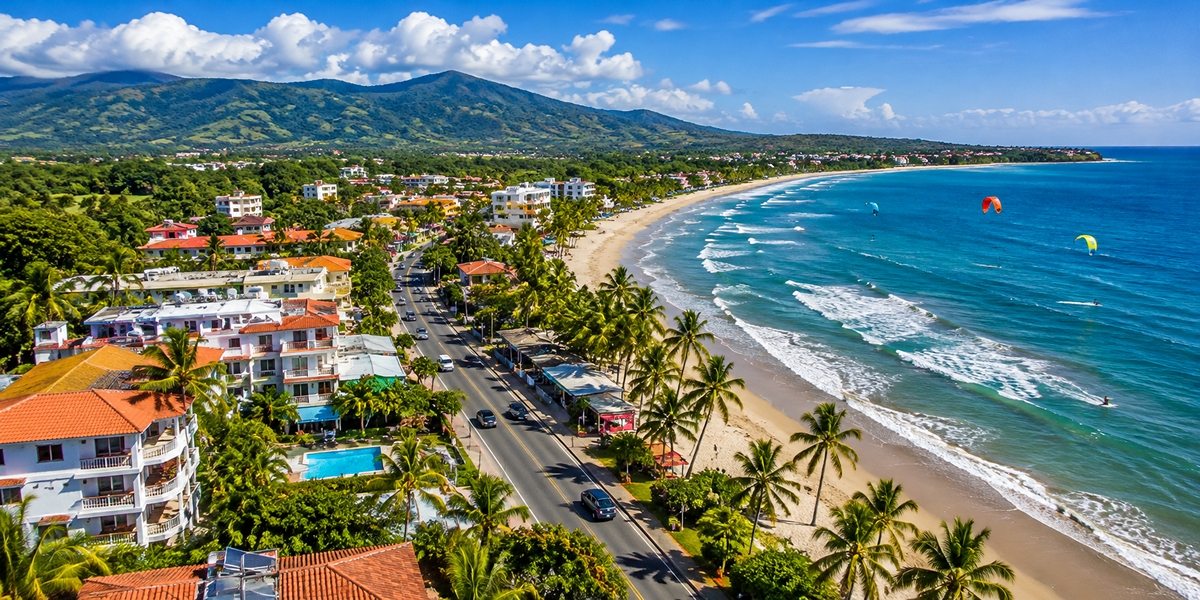
A reef-sheltered horseshoe bay with the calmest swimming and easiest beach snorkeling on the coast; quieter Playa Alicia sits around the point. The catch: central bar street Pedro Clisante is loud late and has a seedy reputation. Book a few blocks away or toward the bay's edges. Standout: best water for weak swimmers.
Cabarete
A one-street beach town where kites fill the sky most afternoons and Encuentro's surf break is minutes west. Independent hotels, condos, cafés and sand-floor restaurants, with almost no all-inclusives. Young and social, but choppy for toddlers. Standout: best for active couples and solo travelers.
What usually surprises visitors is how easy it is to mix them. Taxis and local guaguas (shared minibuses) link the coast road all day, so a Playa Dorada guest can spend an afternoon in Cabarete, or a Cabarete guest can snorkel Sosúa, without changing hotels.
North Coast Bases Compared: Which One Fits Your Trip?
Use the table as a shortcut. Room rates are typical high-season ranges for two people taken from recent listings; they move with dates and promotions, so read them as a sense of scale, not a quote.
| Criteria | Playa Dorada | Puerto Plata Town | Sosúa | Cabarete |
|---|---|---|---|---|
| Beach & water | Long beach, winter surf | Not a swim base | Calmest bay, snorkeling | Windy, choppy afternoons |
| Walkability | Gated; taxi to town | Walkable old center | Compact, walkable | Walkable beach strip |
| Evenings | Resort shows | Local, low-key | Loud bar street | Beach bars, lounges |
| All-inclusive choice | Wide, mostly mid-range | Very little | A few | Very few |
| Families | Easy | Day visits | Good water, pick location | Older kids, teens |
| Room rate/night | $130–280 (all-inclusive) | $40–100 | $50–150 | $70–200 |
| Typical spend/day | $20–50 extras | $40–80 | $50–100 | $60–120 + lessons |
| 7-day total (2 adults, excl. flights) | ~$1,350–$2,150 | ~$650–$1,250 | ~$950–$1,650 | ~$1,225–$2,300+ |
| Best for | Value all-inclusive week | History, food, budget | Swimmers, snorkelers | Active, social travelers |
What 7 Days Actually Costs for Two People (Before Flights)
Nightly rates hide how differently you spend once you arrive. Here is a realistic 7-night ground budget for a couple in high season, including lodging, meals, round-trip POP airport taxis and one excursion:
- Playa Dorada (~$1,350–$2,150 total): 7 nights at a mid-range all-inclusive ($160–$260/night = $1,120–$1,820, meals and drinks covered) + round-trip POP taxi ($60–$80) + one Damajagua and old-town tour for two with tips ($170–$250). Predictable total, minimal daily cash outflow.
- Sosúa (~$950–$1,650 total): 7 nights in a quiet mid-range hotel or condo away from Pedro Clisante ($75–$130/night = $525–$910) + local dining, drinks and beach loungers ($50–$85/day = $350–$595) + POP taxi ($50–$60) + reef snorkeling and waterfall trip ($100–$160). The lowest beach-week total on the coast.
- Cabarete (~$1,225–$2,050 total, or $1,600–$2,600+ with kite lessons): 7 nights in a beachfront hotel or condo ($100–$175/night = $700–$1,225) + beach-bar dinners and cafés ($65–$105/day = $455–$735) + POP taxi ($70–$90). Add $80–$150 for morning surf sessions at Encuentro, or $350–$550 per person for a multi-day beginner kite package.
What to Do on the North Coast: Waterfalls, Fort and Old Town
The activity list here is shorter than Punta Cana's catalog of catamarans and party boats, but more varied: canyon sliding, colonial history, Victorian streets and serious water sports. Here is what earns a day, and who should skip each.
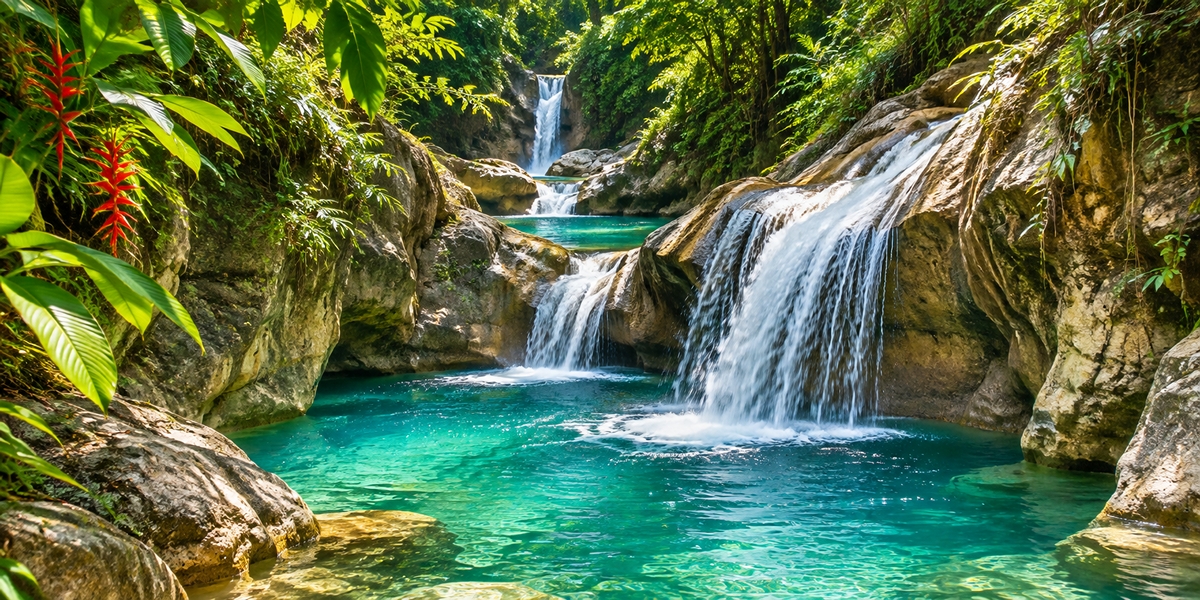
- 27 Charcos de Damajagua — hike up a river canyon, then jump and slide down natural limestone pools in a helmet and life jacket (7, 12 or 27 falls). Independent gate fees are low; tours with transport and lunch run $50–90+. Minimum age is typically 8 (often 12 for all 27). Skip if you dislike cold water or heights.
- Fortaleza San Felipe — a Spanish fort completed in 1577 at the end of the Malecón, built against pirates and later used as a prison. One hour is enough; visit late afternoon for softer light.
- Old town, Amber Museum and pink alley — Victorian houses around Parque Central, the Amber Museum in Villa Bentz, and bright-pink Paseo de Doña Blanca. An easy half day on foot.
- Mount Isabel de Torres — the cable car to the summit's Christ statue and botanical garden has been closed since mid-2024. A full rebuild started in October 2026, with reopening targeted for early 2028 per Dominican press reports. Do not plan around riding it until reopening is confirmed.
- Sosúa snorkeling and diving — swim straight off the sand to the bay reef or take a short boat to outer sites; the calmest underwater option on the coast.
- Kite and surf lessons in Cabarete — kiting takes several sessions to ride solo; morning surf lessons at Encuentro run before afternoon winds build.
- La Isabela, for history lovers — west of Puerto Plata lie the ruins of the 1493–94 settlement founded by Columbus. A long drive to a modest site; go only if the history calls you.
One timing habit matters more than any ticket. Puerto Plata has two busy cruise ports, Amber Cove and Taíno Bay; when multiple ships dock, thousands of passengers head for Damajagua and the old center by mid-morning. Check the port schedule and save both for no-ship or one-ship days.
Atlantic Beaches: What North Coast Water Is Really Like
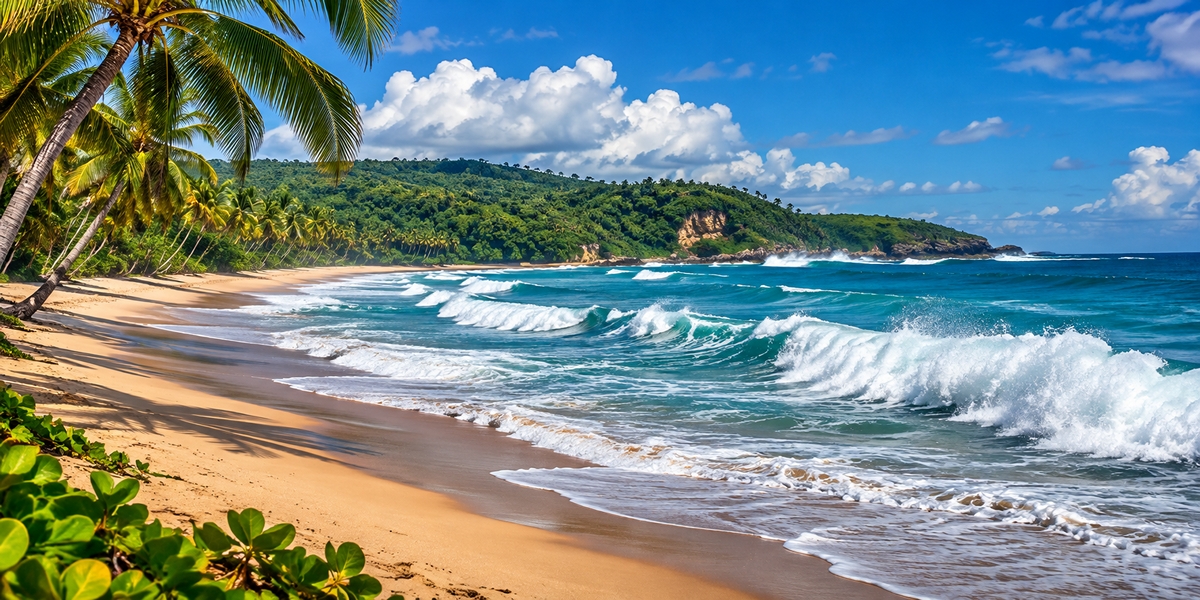
Atlantic does not always mean rough. Conditions shift within a few miles: Sosúa's reef-sheltered cove is usually calm enough for kids and snorkelers, while Playa Dorada's long beach is swimmable most days but picks up winter surf. Cabarete's bay is built for afternoon wind and kites; Encuentro is a reef surf break with sea urchins underfoot; and Playa Grande farther east is gorgeous but carries strong rip currents when swells arrive.
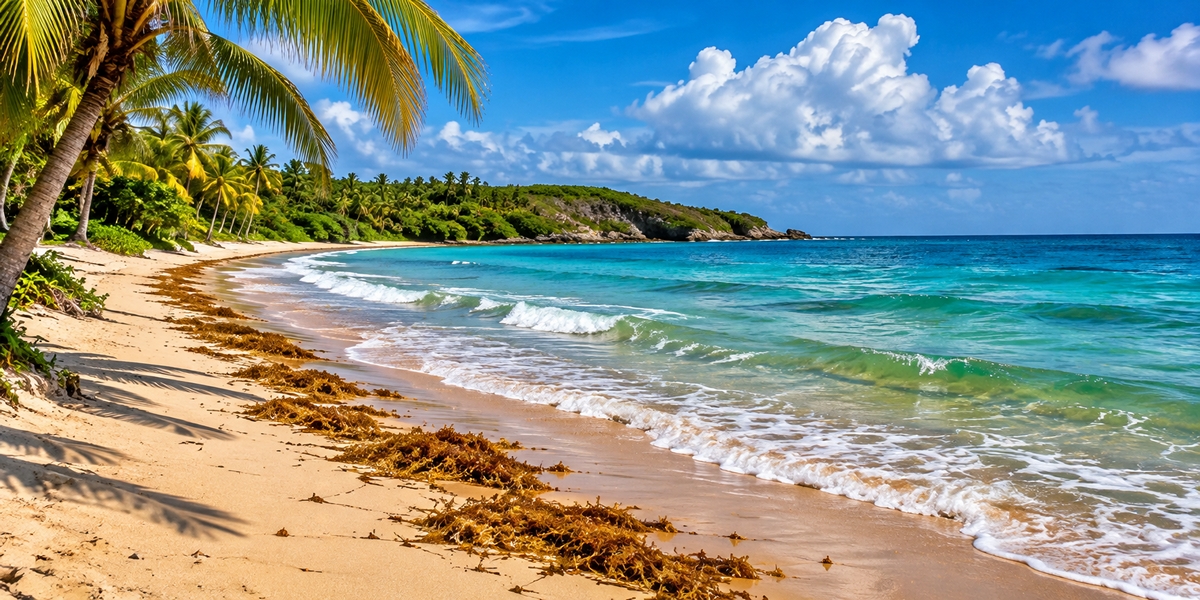
Compared with Punta Cana, the water is deeper blue and rarely glassy, and the sand is golden rather than white. Seaweed reaches the north coast at times too; check the USF satellite sargassum outlook before your trip rather than relying on reputation.
When to Go: Rain, Wind and Hurricane Season
The north coast does not follow the usual Caribbean script of a dry winter. Atlantic trade winds and passing cold fronts push moisture against the mountains behind Puerto Plata, so November is often the wettest month, and December and January can still bring gray, showery spells — usually short bursts rather than all-day washouts. February through April tends to be the sweet spot: drier, warm and comfortable.
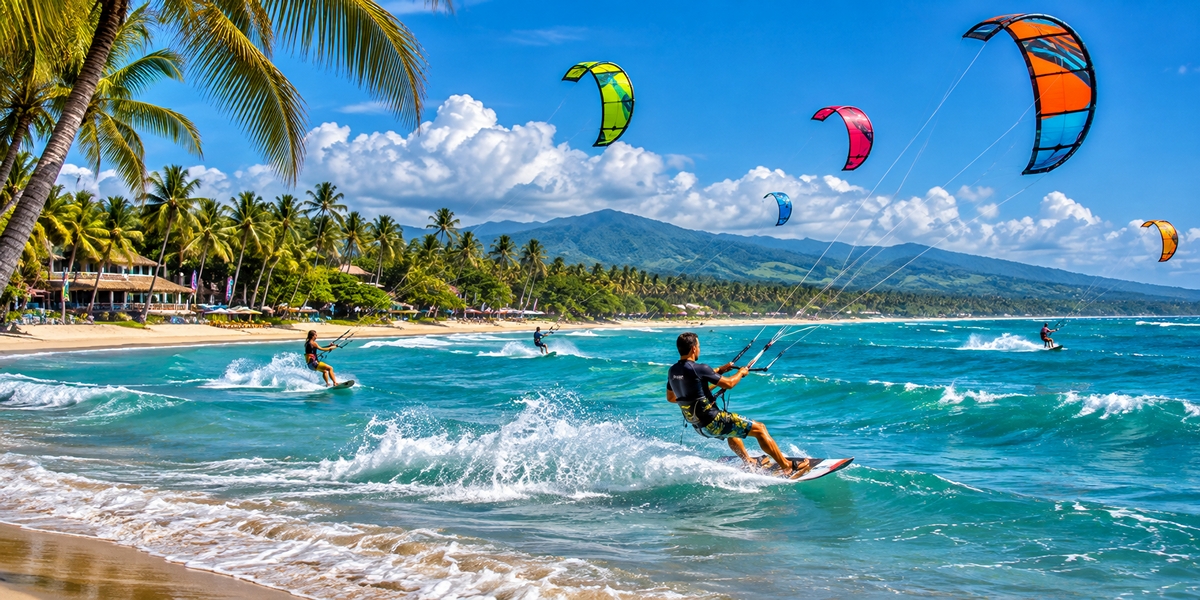
Wind keeps its own calendar. Cabarete's kite seasons peak from June to August, when afternoon thermals reinforce the trade winds, and again from about January to March. Mornings are usually calmer, which is when surfers head to Encuentro; winter brings the bigger swells.
Hurricane season runs from June 1 to November 30, with the historical peak from mid-August to late October, according to NOAA's National Hurricane Center. A direct hit during any given week is unlikely, but heavy rain from passing systems is not; book flexible rates for that window and choose insurance that covers weather disruption.
Mistakes That Cost North Coast Travelers Time and Money
Most disappointments on this coast trace back to one assumption: that it is Punta Cana with different hotel names. The rest are logistics.
Flying into Punta Cana to save on airfare. Two long transfers usually erase the savings and cost you most of two days. Compare POP and STI fares before booking PUJ.
Building a day around the cable car. It is closed for a full rebuild until at least early 2028. Tours that still advertise it deserve a direct question before you pay.
Booking Damajagua on a big cruise day. The canyon turns into a queue. A quick look at the port schedule can save the best excursion on the coast.
Swimming where the kiters launch. Cabarete's main beach belongs to the wind in the afternoon. Swim in the morning, or go to Sosúa for calm water.
On safety, the U.S. State Department rates the whole country Level 2, exercise increased caution; the north coast is not singled out. The usual rules apply: use licensed taxis or your hotel's transfers, keep valuables low-key, and watch your drink in nightlife districts such as central Sosúa.
Sources Checked
How this guide was checked: We compared Dominican Republic Tourism's airport and route guidance, Dominican press coverage of the Puerto Plata cable car closure and rebuild (October 2026), NOAA hurricane climatology, USF satellite sargassum monitoring, the U.S. State Department advisory, published transfer price ranges and recent traveler reviews for beach, waterfall and town conditions. Sources checked November 17, 2026. Fares, transfer prices, tour rules and the cable car timeline change; verify before paying.
Frequently Asked Questions
Is Puerto Plata or Punta Cana better for a first trip to the Dominican Republic?
Punta Cana is easier for a classic first beach vacation: more nonstop flights, calmer reef-protected water and the widest choice of large all-inclusive resorts. Puerto Plata and the north coast suit first-timers who want towns, mountains, history and surf, and who are happy with livelier Atlantic water and fewer polished resorts.
Which airport should I fly into for Puerto Plata, Sosúa and Cabarete?
Fly into Puerto Plata's Gregorio Luperón International Airport (POP). Sosúa is about 10 to 15 minutes away, Playa Dorada about 20 minutes and Cabarete about 25 to 30 minutes. Santiago (STI) is a backup roughly 1 to 1.5 hours away. Punta Cana (PUJ) means a 5 to 6 hour road transfer each way.
Is the Puerto Plata cable car open?
No. The cable car up Mount Isabel de Torres has been closed since mid-2024. A full rebuild began in October 2026, and reopening is targeted for early 2028, according to Dominican press reports. Check its status again before your trip.
Is Puerto Plata worth visiting?
Yes, if you want variety and value: the Damajagua waterfalls, a 16th-century fort, a Victorian old town, Sosúa's calm bay and Cabarete's kite beach all sit within about 40 minutes. It is less worth it if you only want calm turquoise water and a large luxury resort, which the east and south coasts do better.
Which north coast town is best for families?
Sosúa has the calmest swimming bay, and Playa Dorada has the easiest all-inclusive resorts with pools. Choose a Sosúa hotel away from the central bar street. Cabarete works better for older kids and teens who want kite or surf lessons than for toddlers.
Choose the north coast if you want a Dominican trip with towns, mountains and surf rather than a resort bubble — and fly into POP to make it work.
For most first visitors, Sosúa or Playa Dorada is the safest base: calm water or easy all-inclusive value, with Cabarete and Puerto Plata's old town as day trips. Active couples and solo travelers should go straight to Cabarete.
If your heart is set on glass-calm turquoise water and a polished mega-resort, the north will feel like the wrong vacation. Book Punta Cana or Bayahibe instead.