
Ask a hundred divers to name the place that hooked them, and a surprising number will say Cozumel. This small island off the Yucatan coast sits on the northern reach of the Mesoamerican Reef, the second-largest barrier reef in the world, and the diving here has a particular feel: you drop into bath-warm blue water, the current takes hold, and you spend the next forty minutes flying along a wall of coral while turtles, eagle rays, and the occasional nurse shark go about their day below you.
It is also one of the easiest dive trips to get subtly wrong. Cozumel diving is drift diving, almost without exception, and that single fact changes how a beginner should approach it, which operator is worth paying for, and why two people on the same boat can come back with completely different opinions of the day. The reef is protected, the rules are real, and the gap between a great dive shop and a cheap one shows up underwater in ways a brochure never mentions.
This guide is for both ends of the boat: the traveler who has never breathed underwater and is wondering whether to try it here, and the certified diver deciding whether Cozumel lives up to its reputation and how to dive it well. The reputation is earned. What follows is how to make the trip match it.
Quick Answer: Diving in Cozumel
The short version: Cozumel is world-class for almost every level, but it is drift diving, so match your booking to your experience. Beginners start with a Discover Scuba session or an Open Water course; certified divers book a two-tank morning boat and bring honest buoyancy control. Choose the operator carefully, not the cheapest seat.
- Who it suits: nervous first-timers (with an instructor), newly certified divers, and experienced divers chasing walls and swim-throughs.
- The catch: nearly every dive is a drift dive — the current carries you, so beginners need a guide and the right site, not a budget boat.
- Cost: certified two-tank boat roughly $90–$140; Discover Scuba about $120–$170; PADI Open Water course around $400–$500.
- Best window: calmest, clearest water tends to run March–June, with visibility often 30 m+; winter "nortes" can cancel boats.
- Biggest risk: picking the wrong operator and ignoring the no-fly rule — never dive and fly the same day.
If you are still deciding where to base yourself, diving pairs naturally with a wider island plan — the Cozumel day trip guide from Playa del Carmen covers the ferry and timing, and if you are weighing islands, Cozumel versus Isla Mujeres explains which one suits your kind of trip.
Why Cozumel Is Special
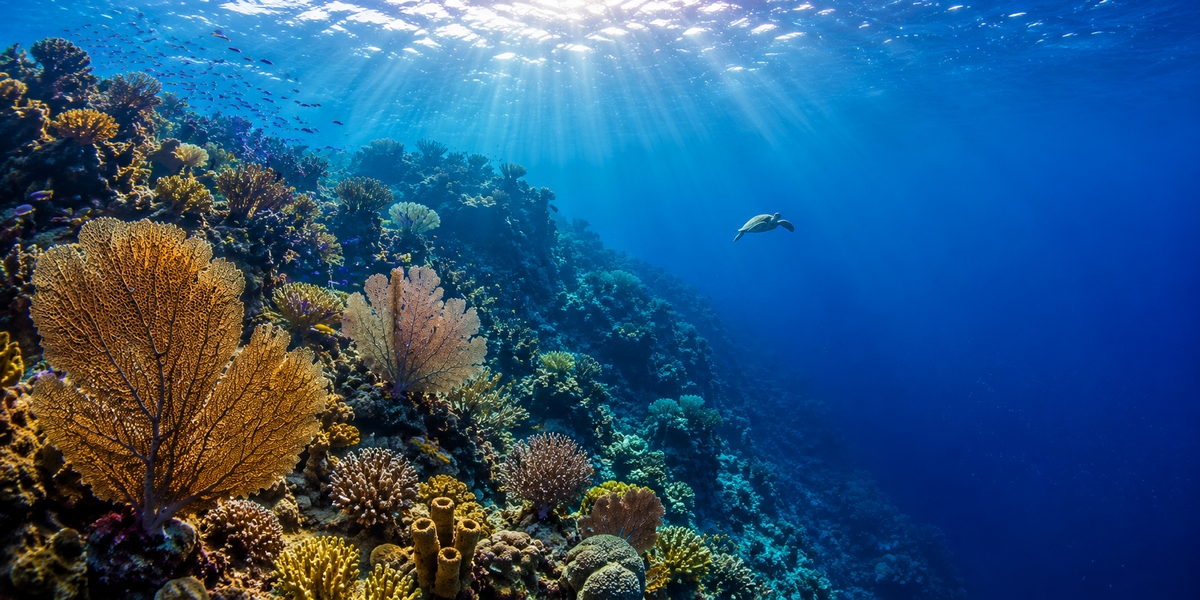
Plenty of places have warm water and pretty fish. What sets Cozumel apart is the combination of clarity, structure, and an effortless way of moving through it. The island's west coast drops into a series of coral walls and canyons along the protected Parque Nacional Arrecifes de Cozumel, the national marine park that has shielded these reefs since 1996. Decades of protection show up as dense coral, healthy sponges the size of armchairs, and fish that don't flee the moment you appear.
Then there is the water itself. On a settled day visibility regularly reaches 30 meters or more, the kind of clarity where you can hang mid-water and see the reef curve away beneath you in both directions. It is part of why underwater photographers keep coming back; the light holds its color far deeper than in most Caribbean sites.
The defining feature, though, is the current. Cozumel sits in a steady flow that runs roughly south to north, and the local style is drift diving: you descend, the current takes you, and the boat follows your bubbles to collect you wherever you surface. For a confident diver it is the most relaxing diving there is — you barely kick, you cover a lot of reef, and you finish a long dive with air to spare. The flip side is that you can't simply swim back to a turtle you drifted past, and a beginner who doesn't understand the current can find it unnerving the first time. This is not diving where you anchor over one patch of coral and potter around; the reef comes to you.
The Signature Reefs
Cozumel's reefs run like a string of distinct sites down the southwest coast, each with its own character and its own depth profile. You won't dive all of them in one trip, and the names matter when you talk to an operator — knowing what you're asking for is half of getting the dive you want.
Palancar · ~12–30 m
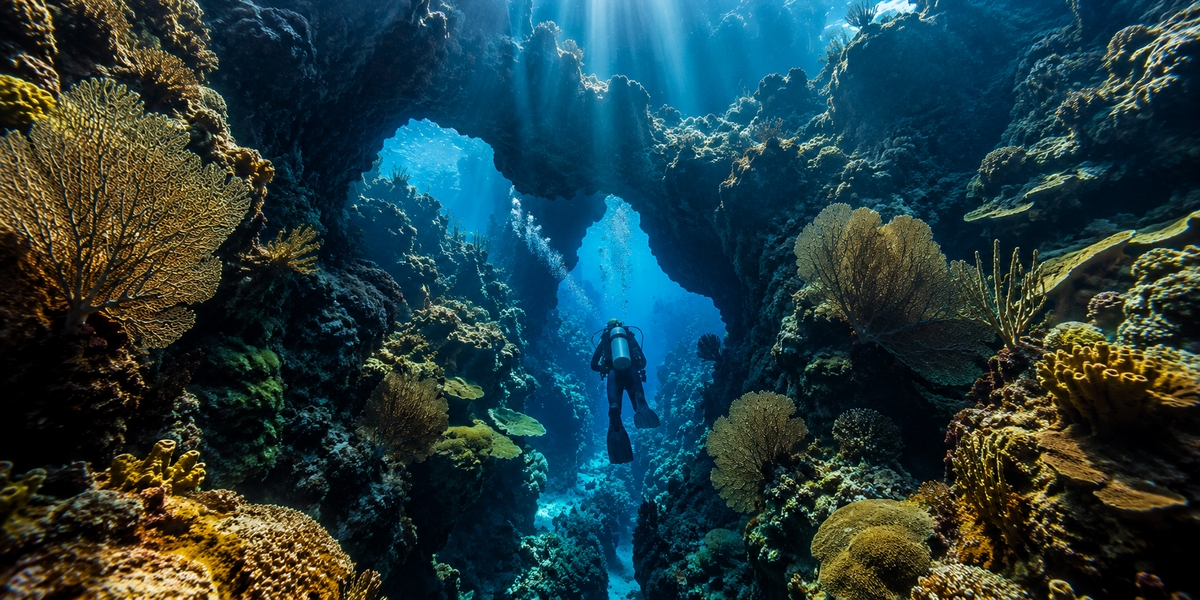
The famous one, and rightly so. A sprawling complex of coral buttresses, ravines, and swim-throughs split into sections: Palancar Gardens runs shallower and gentler at roughly 12–18 m, while Palancar Caves drops to 25–30 m and turns dramatic. Gardens suits newer certified divers; the deeper caves reward good buoyancy and a little experience.
Santa Rosa Wall · drop-off from ~15 m
The classic Cozumel wall dive: a sheer face that starts near 15 m and plunges past recreational limits into the blue, draped in sponges and overhangs, usually dived as a brisk drift. Currents here run stronger than on the gardens, so it's typically reserved for divers comfortable with depth and flow rather than absolute beginners.
Columbia · ~18–30 m
Big coral pinnacles rising from the sand at 18–30 m, often with turtles, eagle rays, and larger pelagics passing through. A deeper site with a wide, open feel — many divers rate it their favorite once they have a few Cozumel dives under their belt.
Paradise & the shallow reefs · ~9–14 m
Shallower, calmer reefs closer to town at roughly 9–14 m — ideal for first dives, check-out dives, refreshers, and night dives. Less dramatic than the walls, but exactly where a nervous or rusty diver should start before moving south. The shallow depth also stretches your no-decompression time well past an hour.
The clearest way to read the two headline sites is side by side. Palancar Gardens is shallower (12–18 m), gentler in current, and forgiving of a diver still finding their buoyancy — you finish with plenty of air and a long bottom time. Santa Rosa Wall starts deeper (from ~15 m), runs a stronger drift, and drops past recreational limits, so it trades easy bottom time for drama and demands tighter control. Put simply: Gardens is where you build confidence, the Wall is where you spend it. The marquee wall sites being deeper also means shorter no-decompression times and, for many divers, the case for nitrox — which is why an Advanced Open Water certification and a nitrox course noticeably widen what you can do here. A reputable shop will steer a newly certified diver toward Palancar Gardens and the shallow reefs first and save Santa Rosa for when your buoyancy and air consumption have settled. If an operator wants to drop a brand-new diver straight onto a deep wall in strong current, that tells you something about the operator.
Which Dive Path Fits You
The single most useful decision you make is matching the type of diving to where you actually are, not where you'd like to be. Overreaching is the classic Cozumel mistake — a once-a-year diver booking the deepest wall, or a total beginner expecting to keep up with an experienced group. Here is how the paths break down.
| Your level | What to book | Depth & sites | Rough price | Best for |
|---|---|---|---|---|
| Never dived | Discover Scuba One guided dive, no certification |
Shallow reefs (Paradise), ~12 m, gentle current | $120–$170 | Trying it once to see if you love it |
| Want to certify | PADI Open Water 3–4 day course |
Confined water + shallow reef dives | $400–$500 | Turning a trip into a lifelong skill |
| Certified, occasional | Two-tank boat Guided drift dives |
Palancar Gardens, Columbia, ~18–25 m | $90–$140 | Reliving it on famous, manageable reefs |
| Advanced / frequent | Wall + nitrox Deeper drift, small group |
Santa Rosa Wall, Palancar Caves, 25 m+ | $100–$150 + nitrox | Walls, swim-throughs, longer bottom time |
Choosing an Operator (and Why It Matters More Here)
On an anchored dive a weak operator is merely annoying. On a Cozumel drift dive, in current, at depth, the operator is your safety margin and the difference between a magical day and a stressful one. The good shops cluster along the downtown waterfront and the marinas south of town; here is how to tell them apart before you hand over a deposit.
There's a quieter reason operator choice matters: the reef is a protected national park, and the better shops actively enforce no-touch, no-glove, reef-safe-sunscreen rules because they have a stake in keeping it healthy. A cheap operator chasing volume is likelier to let divers grab coral for photos. Diving with a careful shop isn't just safer for you; it's the difference between a reef that survives the next decade and one that doesn't. The same instinct that helps you pick a snorkeling operator applies underwater — the snorkeling guide for Cancun, Isla Mujeres and Cozumel walks through reading an operator before you commit.
Best Time and Conditions
Cozumel dives all year, and the reef doesn't have an off-season the way a beach does. But conditions shift enough across the calendar to be worth planning around, especially if your trip is built specifically around diving.
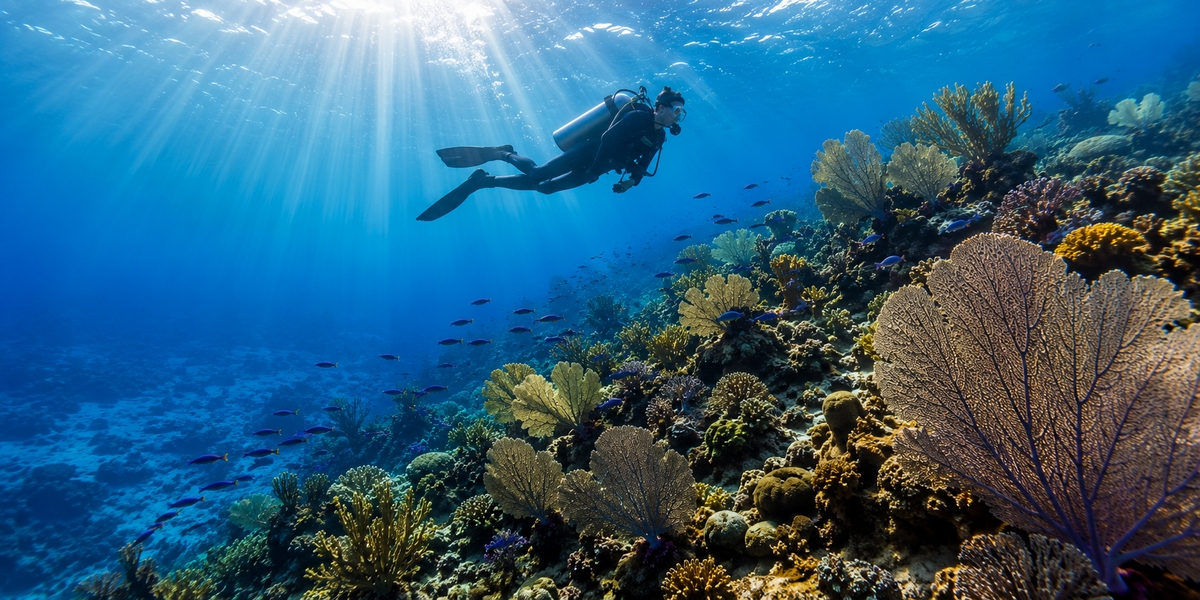
The sweet spot is roughly spring into early summer, when the weather settles, the wind drops, and the water turns its clearest. As a rough guide to what divers report: March through June is the most reliable stretch, with visibility frequently in the 30–40 m range on settled days; July and August often hold excellent clarity too but bring more heat and building storm risk; September and October are the most variable, when a passing system can drop visibility and cancel boats; and November through February stay good between fronts but lose days to north winds. None of these are guarantees — visibility on any given morning depends on recent weather more than the month — but the pattern holds year to year. From August into October the region sits in its wetter, more storm-prone stretch, the same Caribbean hurricane window that affects the whole coast, so build in flexible days. If your timing is movable, the Cancun and Riviera Maya timing guide lays out how the seasons behave across the region, and the region's other marquee water day — swimming with whale sharks near Cancun and Holbox — runs in exactly that summer window if you want to pair the two.
Winter brings the one condition that surprises people: the norte, a north wind that kicks up the sea and can shut down dive boats for a day or two at a time, usually between November and February. The reef is fine; the boats simply can't safely run. Water temperature is comfortable all year, sitting in the high 20s Celsius for most of it and dipping a few degrees in winter — enough that regulars switch from a 3 mm wetsuit to a 5 mm. None of this should scare you off a winter trip; it just means leaving a spare day rather than booking your only dive on your last morning.
The Combo Day: Diving Plus the Rest of the Island
Most people don't fly to Cozumel only to dive. The practical question is how to fit two morning dives around a ferry, a beach club, or an onward flight without breaking the safety rules — and the rules here are not negotiable, because they involve nitrogen in your bloodstream, not just your schedule. Here's how a sensible dive day actually flows.
Most two-tank trips leave early, when the water is calmest and the light is best. You'll be back at the dock by early afternoon.
A deeper site first, a shallower one second, with a surface interval between. This off-gasses nitrogen safely and stretches your bottom time.
A beach club, lunch, or the shallow reefs by snorkel are fine. Avoid anything that gains altitude — no inland zip-lines or mountain drives after diving.
Divers Alert Network advises waiting at least 18 hours after multiple dives before flying. Plan your last dive day around your flight, not the reverse.
If you're coming over from the mainland just for the day, the ferry math gets tight. A morning two-tank trip and an early-afternoon ferry back to Playa works, but it leaves no margin for a late boat. Diving from a Cancun base and returning the same day is a long, rushed slog that the reef doesn't deserve — staying a night or two on the island is the honest recommendation. For the logistics either way, see the best day trips from Cancun for how Cozumel fits against the region's other big days out.
Mistakes Divers Make in Cozumel
Most disappointing Cozumel dives trace back to a decision made on land, not bad luck underwater. These are the ones that come up again and again.
Booking the cheapest boat to save $20. On a drift dive that saving buys you a bigger group, an overloaded boat, and a guide who can't watch everyone. This is the one activity where the budget option genuinely costs you.
Overrating your own level. A diver who logged ten dives two years ago is not ready for Santa Rosa Wall in strong current. Ask for a shallow check-out dive first; a good shop offers it without being asked.
Scheduling a dive the morning before a flight. The no-fly rule is non-negotiable, and weather can push your dive a day. Dive early in your trip, not on the last morning, and keep a buffer before flying.
Touching the reef for a photo. It's a protected national park, it damages coral that took decades to grow, and good guides will end your dive over it. Perfect buoyancy beats the perfect shot every time.
If conditions do cancel your boat — a winter norte or a summer storm — the island still rewards a day above water. The shallow reefs are excellent by snorkel, the east coast has wild, swimmable beaches on calm days, and a relaxed town lunch beats forcing a dive in bad conditions. Diving is the headline, but it isn't the only reason the island holds up.
Sources Checked
Sources checked on June 18, 2026. The reef structure and the diving style are stable; the moving parts — exact prices, marine park fees, course costs, and seasonal conditions — shift year to year and by operator, so confirm current rates and the day's conditions close to travel.
How this guide was checked: Marine park status, protected-reef boundaries, and the no-touch rules come from CONANP's listing for Parque Nacional Arrecifes de Cozumel. Certification levels and the structure of Discover Scuba and Open Water programs follow PADI's standard course descriptions. Flying-after-diving guidance reflects Divers Alert Network (DAN) recommendations. Prices, group sizes, and site recommendations are drawn from current licensed Cozumel operators and kept as ranges, not guarantees, because conditions and rates vary by shop and season.
Frequently Asked Questions
Is Cozumel good for first-time divers?
Yes, with one caveat. The water is warm, clear, and full of life, which makes it a memorable place to start. But almost every dive here is a drift dive, where the current carries you along the reef, so a complete beginner should do a Discover Scuba session or take an Open Water course with an instructor rather than jumping straight onto a certified two-tank boat. Tell the shop you are new and they will put you in the right group and on calmer sites.
What is drift diving and why does Cozumel rely on it?
Drift diving means you descend and let the current move you along the reef while the boat follows your bubbles and picks you up wherever you surface. Cozumel sits in a steady current running south to north along the Mesoamerican Reef, so this is simply how diving works here. It is relaxing once you accept it because you barely kick, but it also means you cannot easily swim back to a spot you passed, and the operator's boat handling matters more than on a typical anchored dive.
How much does diving in Cozumel cost?
A certified two-tank boat dive typically runs about $90 to $140, often a little less if you book several days together and bring your own gear. A Discover Scuba experience for non-certified divers is usually around $120 to $170, and a full PADI Open Water course runs roughly $400 to $500 over three to four days. Gear rental, the marine park fee of a few dollars per day, tips, and nitrox if you use it are added on top, so confirm exactly what a quoted price includes before booking.
When is the best time to dive in Cozumel?
Diving is good year-round, but the calmest, clearest water tends to run from roughly March to June. Visibility often reaches 30 meters or more whenever the weather is settled. The rainy and hurricane months from August to October can bring stronger weather and the occasional cancelled boat, while the winter brings 'nortes' — north winds that can shut down boats for a day or two. Water temperature stays comfortable all year, dropping only a few degrees in winter when many divers add a thicker wetsuit.
Can I dive in Cozumel on a day trip from Playa del Carmen or Cancun?
From Playa del Carmen it is doable but tight: the ferry takes about 45 minutes each way, and you must respect the no-fly and surface-interval rules, so a two-tank morning followed by an early afternoon ferry back is realistic. From Cancun the round trip plus diving makes for a very long, rushed day, and staying at least one or two nights on Cozumel is far better. Never dive and then fly the same day, and leave a generous buffer before any onward flight.
Do I need my own equipment or advanced certification to dive Cozumel?
No to both for most divers. Shops rent full sets of gear, and a standard Open Water certification covers the majority of Cozumel's famous reefs like Palancar, Santa Rosa and Columbia at recreational depths. Advanced certification and good buoyancy help on the deeper wall sections and let you get more out of the dramatic swim-throughs, but they are not required to enjoy the reef. Honest buoyancy control matters more here than a card, because you are drifting close to fragile coral.
Before You Book a Cozumel Dive
Five decisions that separate a great dive day from a frustrating one.
If you remember one thing: Cozumel earns its top-five reputation for almost every level of diver — the reef is the easy part, and the operator and the dive path you choose are what actually decide your day.
For most travelers, the move is a small-group two-tank morning on Palancar Gardens and Columbia if you're certified, or a Discover Scuba session on the shallow reefs if you're not — booked early in the trip, with a careful shop, and a spare day held back for weather.
Save the deep walls for when your buoyancy is honest, never dive the morning before a flight, and if a norte shuts the boats, take the day above water without complaint. Done right, Cozumel is the dive people spend years trying to top.