
Most hotel disappointments don't happen at check-in — they happen at the moment of booking.
That's when expectations are formed. That's when you make the decision that sets the tone for the entire trip.
You see a reasonable price, attractive photos, a solid rating — and click "Book." At that moment, the risk feels minimal.
But booking platforms don't sell reality. They sell expectations.
In a previous article, we looked at why a 9.2 rating can be misleading. The next step is learning to evaluate a hotel before paying. Even a well-rated property can be a poor fit for your specific trip.
Below is a practical verification checklist.
How to See Past the Marketing Photos and Assess Real Room Conditions
Official hotel photography is a marketing tool.
Wide-angle lenses, controlled lighting, and carefully chosen angles make rooms look more spacious, grounds feel quieter, and views appear better than they actually are.
Over 60% of travelers have reported that the room felt smaller than it looked in photos. This isn't necessarily deception — it's a predictable result of optimistic presentation and unrealistic expectations.
What to check before booking
Your most reliable source of truth is guest-submitted photos.
Look them up on:
- TripAdvisor
- Google Maps (Photos section, filtered by visitors)
- Social media — search by the hotel's location tag
Pay attention to:
- actual room scale
- ceiling height
- space between furniture
- bathroom condition
- the view from a standard room
If the official gallery only shows suites and premium rooms with no standard options visible — that's a signal worth noting.
Guest photos are less polished. They're also more honest.
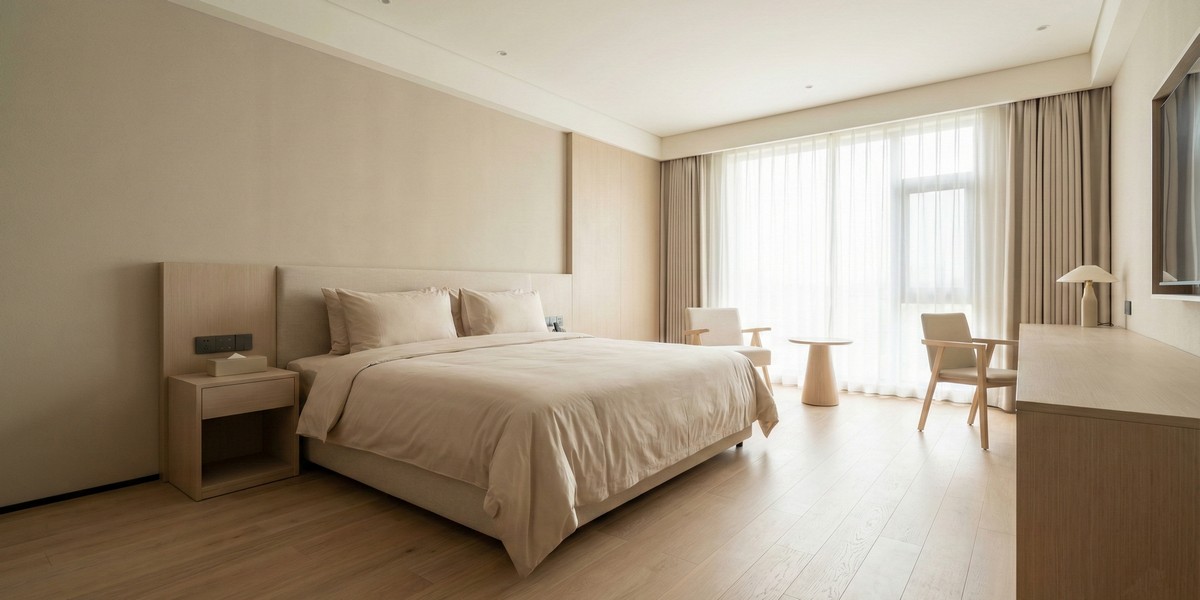
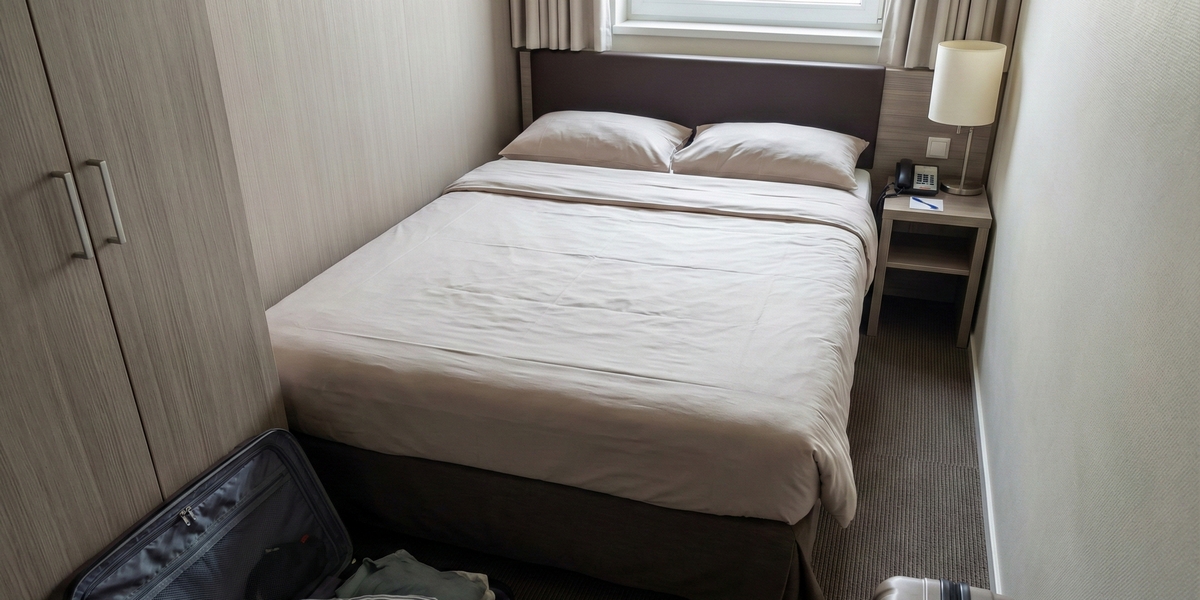
Expectation vs Reality
How to Verify a Hotel's Location Before Booking
Descriptions like "5 minutes to the beach" or "close to the center" are not standardized.
For the hotel, "five minutes" typically assumes:
- a brisk walking pace
- no luggage
- no heat
- no elevation changes
- no traffic lights
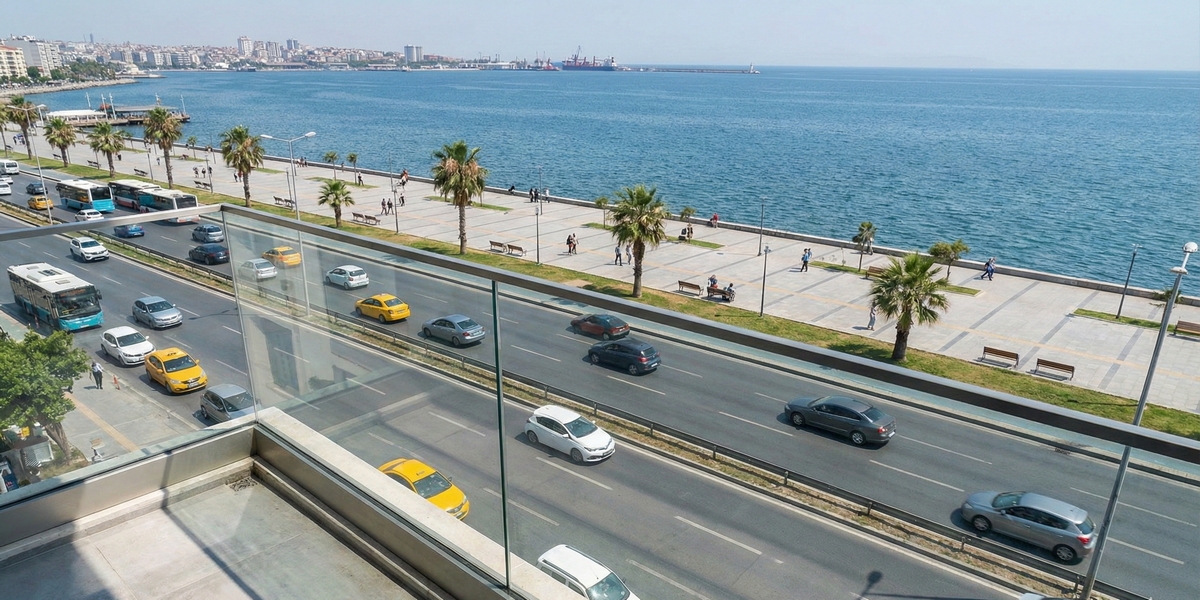
A booking platform map shows a pin. It doesn't show the surrounding environment.
What to do
Open Google Street View and take a virtual walk:
- from the entrance to the beach
- to the nearest supermarket
- to the nearest transit stop
- around the surrounding block
Sometimes the route crosses a busy highway with no crosswalk. Sometimes the "sea view" is a narrow gap between buildings. Sometimes there's a bar or a construction site right below the windows.
The check takes 3–4 minutes. It can save you days of frustration.
How to Find Out the Actual Room Size — and What Counts as Comfortable
Room size is one of the most underrated comfort factors.
A 14–16 m² room for two looks fine in photos. In practice, that typically means:
- no room to open two suitcases at once
- no dedicated relaxation area
- belongings constantly in view
- a feeling of confinement by the second day
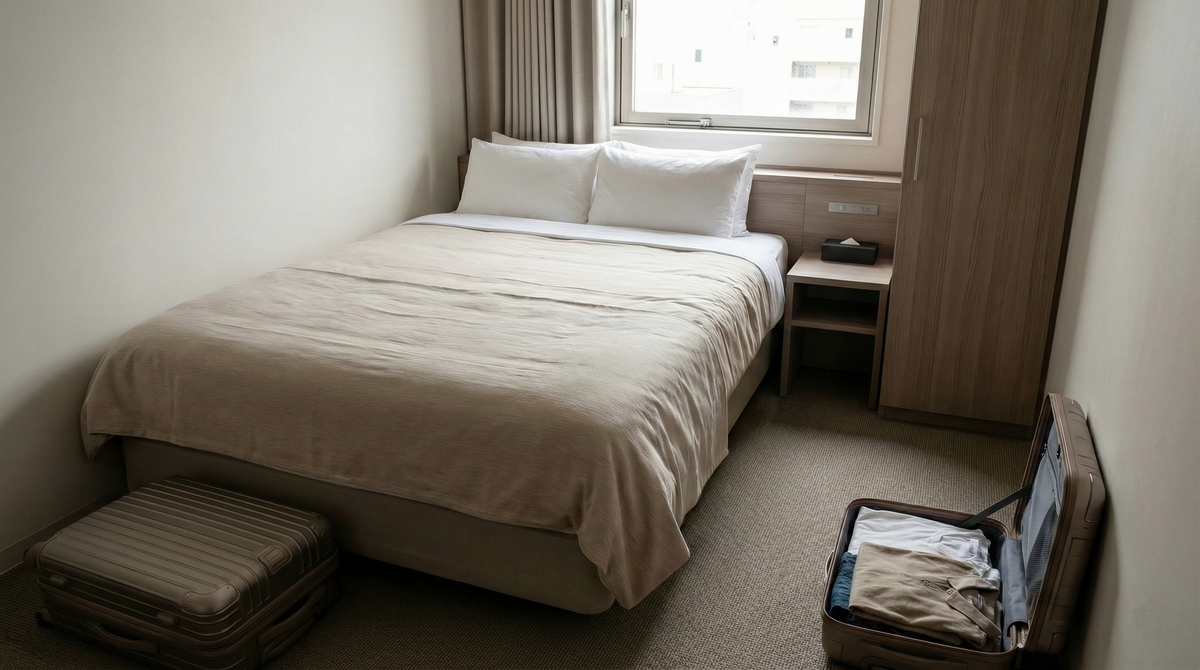
A comfortable baseline for two adults is around 20 m². For trips of 4–5 nights or longer, it's worth targeting 22–24 m².
Where to find the room size
- Booking.com room listings usually include a "Room size" line in the details.
- If the square footage isn't listed, that's worth noting.
- You can message the hotel directly through the platform's contact form.
- If a size range is given (e.g., 14–18 m²), budget for the lower end.
Case in point
A couple booked a 15 m² room in Rome for five nights. In the photos, it looked bright and spacious. In reality, two suitcases took up half the floor space, and the room felt cramped by the second day. The hotel matched its description — the room just didn't match their expectations.
Technically, everything was "as advertised." In practice, the stay felt constrained.
Hotel Hidden Fees: How to Find the Real Total Before You Book
The price shown in search results almost never equals what you'll actually pay.
In popular tourist destinations, mandatory fees and taxes can add 10–25% on top of the listed rate.
Common additions include:
- city tax
- resort fee
- parking
- Wi-Fi charges
- in-room safe fee
- facility or infrastructure surcharge
A room listed at $200 can easily become $270–300 per night by checkout.
Refundable vs Non-Refundable: How to Use Rate Flexibility to Your Advantage
Non-refundable rates are typically 10–15% cheaper. On the surface, that looks like a smart saving.
But hotel pricing is dynamic. In the 2–3 weeks before check-in, properties often drop their rates to fill remaining rooms.
A practical approach
- Book a free-cancellation rate.
- Check the price once a week.
- If it drops — cancel and rebook at the lower rate.
A flexible rate isn't an overpayment. It's a form of risk management and budget control.
Before You Hit "Book" — A Quick Checklist
Run through five questions before paying:
If the answer to each question is yes, you've significantly reduced the risk of disappointment. You're not buying a picture. You're buying a predictable experience.