
Cancun and Riviera Maya do not have one perfect season for everyone. The same February can be the best month for a first trip, but too expensive for someone who wants maximum value. And September can bring great prices, but still be a weak choice if what you really want is predictable beach conditions and fewer weather surprises.
The biggest mistake people make here is simple: choosing only by the phrase "dry season" or only by the word "cheap". In real life, you need to look at four things at once: weather, beach and water conditions, sargassum risk, and prices. What follows is not a calendar for the sake of a calendar. It is a practical decision tool built around the kind of trip you actually want.
Quick Answer: When It Usually Makes the Most Sense to Go
This is usually the clearest balance of good weather, solid beach conditions, and an easy overall trip. Just remember that March and early April can feel noticeably busier because of spring break and holiday weeks.
It is usually easier to find more reasonable pricing here than in winter. The trade-off is more heat, more humidity, and a higher chance of running into sargassum, especially as you move toward summer.
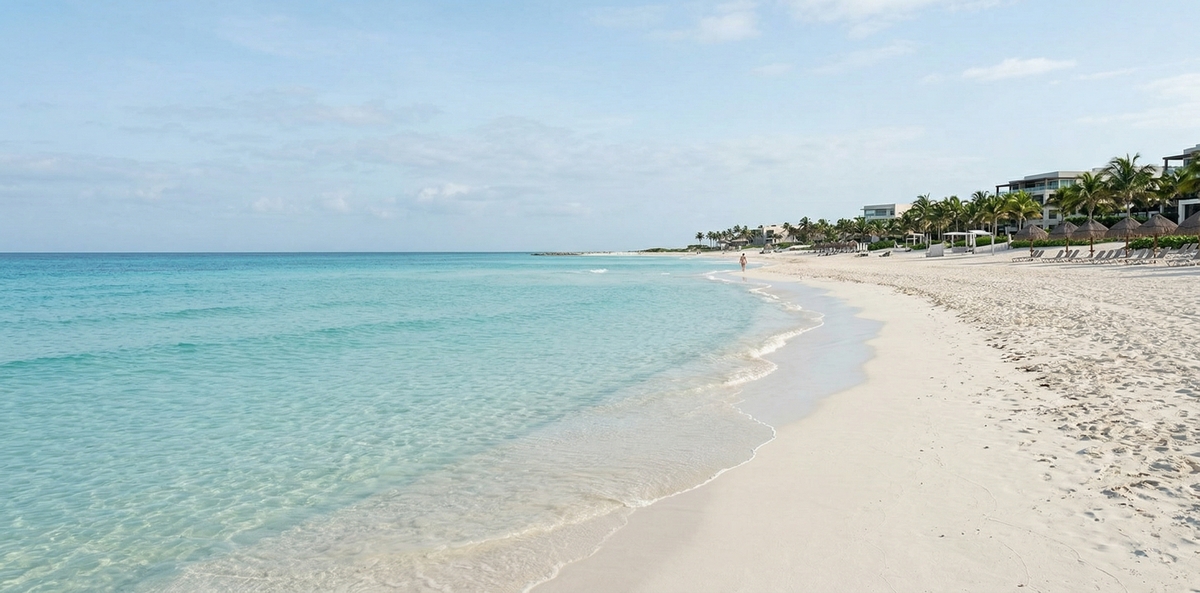
This is usually the window with the lowest sargassum risk and the strongest overall beach picture. It is not a guarantee of perfect water every day, but your odds are generally better than they are in late spring and summer.
Yes, this is often when prices are at their softest. It is also the period with the highest weather risk: humidity, rain, an active hurricane season, and less predictable beach conditions.
How to Choose the Right Month Without Getting It Wrong
The logic is straightforward. First decide what matters most to you, and only then look at the calendar.
Seasons in Cancun and Riviera Maya: The Honest Comparison
If you simplify it, the region really operates in a handful of clear seasonal modes. Those are what you should compare first.
| Period | Weather | Prices and Crowds | Sea / Sargassum | Best For |
|---|---|---|---|---|
| December through February | Best Overall Dry, sunny, and comfortable for beach time, walking around, and day trips. |
Highest Prices Pricing peaks around Christmas and New Year, then usually stays expensive. |
Usually a Strong Window One of the best chances for clear water and lower sargassum risk. |
First trips, families, couples, and anyone who wants the easiest choice with fewer surprises. |
| March through April | Very Good Warm, dry, and more beachy in feel than winter. |
Moderate to High Spring break and Easter weeks can push prices up fast. |
Good, Not Perfect Sargassum risk usually starts rising later in spring. |
Beach vacations, couples, first-timers, and people who want warmth without peak summer heaviness. |
| May through June | Hotter and More Humid The weather is still workable, but it feels heavier if you do not handle heat well. |
Softer Prices Often a strong value window if you do not need a postcard-perfect beach every day. |
Higher Risk Sargassum is more common, especially in Riviera Maya. |
Budget-conscious and flexible travelers who care more about value than perfect beach visuals. |
| July through August | Hot Very warm and humid. Showers are often short, but the air feels heavier. |
Not Peak, Not Empty School breaks and family travel keep demand up. |
Weaker Beach Picture Sargassum odds are higher, especially in Playa del Carmen and Tulum. |
Families tied to summer travel and people using the hotel as a base rather than building the trip entirely around the beach. |
| September through October | Riskiest Stretch More humidity, more rain, and less weather predictability. |
Softest Prices The clearest window for travelers chasing discounts. |
Most Unstable Beach conditions can look weaker, and hurricane season is still in play. |
Very flexible travelers, digital-nomad-style stays, and repeat visits with realistic expectations. |
| November | One of the Best Compromises The weather settles down and the region starts feeling "in season" again. |
Usually More Reasonable Than Winter Before the holiday peak, prices are often easier to justify. |
Stronger Beach Conditions Your odds of better water and lower sargassum risk are usually higher than in summer. |
Almost anyone who wants a strong balance without full winter pricing. |
If you want one short takeaway: for most trips, November and the window from late February through April work best. The weakest months for first-timers without much flexibility are usually September and October.
Month by Month: What Each Month Actually Gives You
Below is a quick month-by-month read without romanticizing the destination and without pretending every month is equally good in its own way.
| Month | Weather | Prices and Crowds | Beach Conditions | Verdict |
|---|---|---|---|---|
| January | Comfortable, dry, and free of summer's heavy humidity. | High demand and expensive hotels. | Usually one of the best months for the visual quality of the sea. | Excellent if the budget works |
| February | One of the most pleasant months overall. | Still not cheap, but calmer than the holiday peak. | A strong month for a beach-first trip. | One of the best |
| March | Very good weather and lots of sun. | Prices often rise because of spring break. | The water can still look great, but there are more people around. | Strong, but busier |
| April | Warm and comfortable, especially in the first half of the month. | Prices can soften a little after holiday periods. | Sargassum risk usually starts rising later in the month. | Very good |
| May | Hotter, more humid, and less winter-light in feel. | Prices are usually better than winter and early spring. | Beach conditions start becoming more variable. | Good for value |
| June | Hot, more humid, and hurricane season officially starts on June 1. | You can often find good pricing. | Sargassum can already affect some beaches in a significant way. | Only with realistic expectations |
| July | Hot and humid, but still workable for a resort-style trip. | Family travel keeps demand fairly steady. | The beach picture is often weaker than in winter. | Fine for summer families |
| August | Very warm, sticky, and prone to downpours. | You can find discounts, but it is not truly dead season. | Sargassum and weather variability make the beach less predictable. | Manageable, not ideal |
| September | The toughest month for weather stability. | Often excellent pricing. | The beach experience is at its least predictable. | Weak for a first trip |
| October | Gradually better, but still not fully safe from seasonal risk. | Prices are still softer than winter. | Late October can be better than early October, but it is never guaranteed. | Can work for value |
| November | One of the nicest months of the year. | Until late November, it is often more reasonable than winter. | The sea usually looks stronger than it does in summer. | Best overall balance |
| December | A very strong weather month overall. | Prices start climbing sharply in the second half. | Usually a very strong month for beach visuals. | Excellent before holiday peak |
Sargassum: What You Need to Understand Before You Book
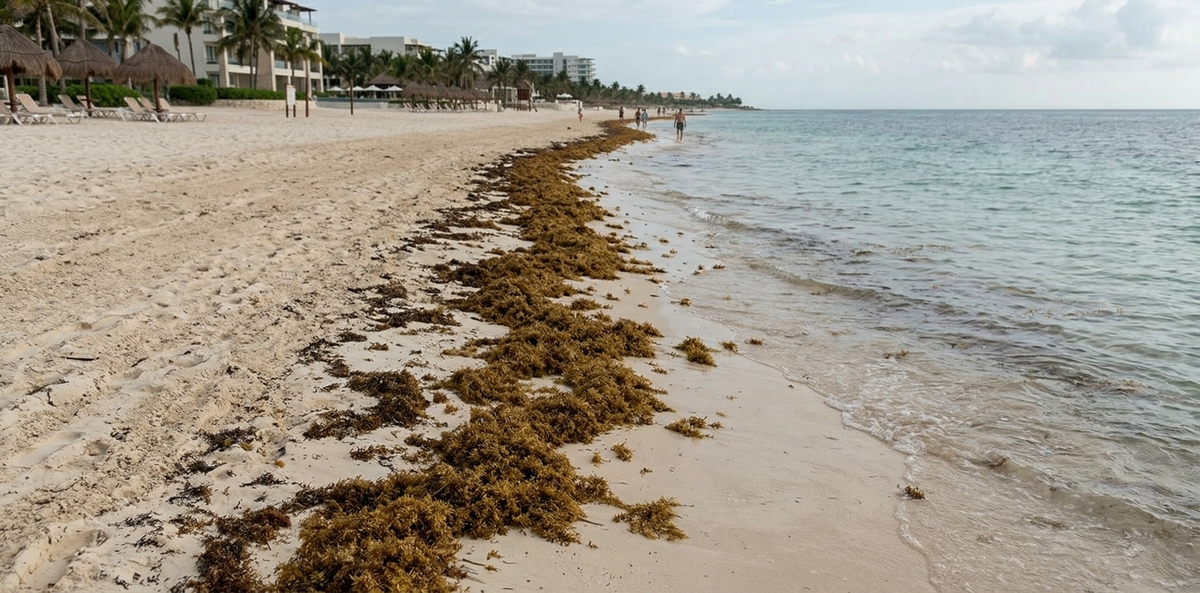
This is where the confusion is usually worst. Travelers often treat sargassum as either "it is always there" or "it is overblown and barely matters." Neither mindset is useful.
What Actually Happens
- Risk usually rises from late spring into early fall, while the calmest stretch is more often late fall, winter, and early spring.
- Riviera Maya is usually more sensitive than northern Cancun. Playa del Carmen, Akumal, and Tulum tend to be hit harder than north Hotel Zone, Playa Mujeres, or Isla Mujeres.
- It is not one uniform picture across the whole coast. One beach can look rough while another one 20 to 30 minutes away looks noticeably better.
- Cleanup and hotel operations matter. A strong resort with a good beach team can partly improve the experience, but it does not cancel out the seasonal logic.
What Matters Specifically in 2026
In spring 2026, sargassum arrived earlier than usual, so this season it is especially risky to assume "it definitely will not be an issue until summer." The month-by-month logic is still broadly the same, but if you are booking for May through August, it is smarter to check current local beach conditions separately.
If the sea is your top priority, do not build the trip around the cheapest months and do not choose the southern part of the region blindly. For first-time travelers, it is usually safer to look at November through March and choose the specific area carefully.
Which Season Makes Sense for You Specifically
There is no universal winner here. There is only the right season for the kind of trip you are actually planning.
If you do not want to come home telling yourself "we just got unlucky with the weather, the beach, or the season," this is the more predictable window to choose.
There is usually less weather chaos, it is easier to move around, and day trips are less draining than they are in hotter months.
If the trip is built around beautiful water, that "wow" feeling, and a strong resort atmosphere, this is usually the window with the best odds.
If you care more about value than about chasing the absolute ideal version of the region, these are often the healthiest compromises.
When the trip is not really about "hotel plus excursions" but about the beach itself, season becomes a critical part of the decision.
If you have already been to the region and know what to expect, it is easier to take a more price-driven approach.
Interactive Choice: What Matters Most to You?
Click your top priority and see which seasonal window makes the most sense to look at first.
4 Mistakes That Most Often Ruin the Timing Decision
Looking only at price. The cheapest week in the region can still end up feeling expensive emotionally if you came for great beach conditions and instead get humidity, seaweed, and weaker beach days.
Treating Cancun and all of Riviera Maya as the same thing. In terms of sargassum and beach feel, north Cancun and Tulum are not interchangeable. People read "Cancun is fine" and then book a very different part of the coast.
Romanticizing shoulder season. May and June can be good value, but they are not "winter, just cheaper." The trade-off in beach conditions and humidity is real.
Not matching the season to the type of trip. The ideal months for a resort vacation and for an active trip built around day trips through the region may not be the same.
Frequently Asked Questions About Seasons in Cancun and Riviera Maya
When is there usually the least sargassum in Cancun?
Most often, your best odds are from November through March. It is never a hard guarantee, but that window is usually more predictable than late spring and summer.
When is the cheapest time to go?
The softest prices usually show up in September and October. But those are also the weakest months for weather stability. If you want a healthy balance rather than the absolute lowest rate, look at May, June, late October, and November.
What is the best month for a first visit?
If you want a safe first choice without extra stress, look at February, March, November, and the first half of April. Those are the months when the region is most likely to show up on its stronger side.
Is summer a bad time for Cancun?
Not bad, just more compromised. You can still have a good trip, especially in a strong resort, but heat, humidity, and sargassum risk are all higher. For a dream beach trip, it is not the strongest window.
When is the best time for families with kids?
Most often, February through April and November work best. Those months are usually easier both in weather and in day-to-day logistics than peak summer.
If the goal is Tulum, do you need to be stricter about season?
Yes. For a beach-focused Tulum trip, season and sargassum matter more than they do in many parts of north Cancun. If the look of the water is critical, Tulum needs more careful timing than the generic word "Mexico" suggests.
How to Choose Your Month in 1 Minute
If you do not want to read the whole thing again, here is the short version.
Cancun works best when the month matches the kind of trip you are taking. Not the other way around.